Practical guide
Bring Your COPD Inhalers to a Technique Review
A device-by-device demonstration can uncover practical difficulties with prescribed treatment and clarify what to do when symptoms change.
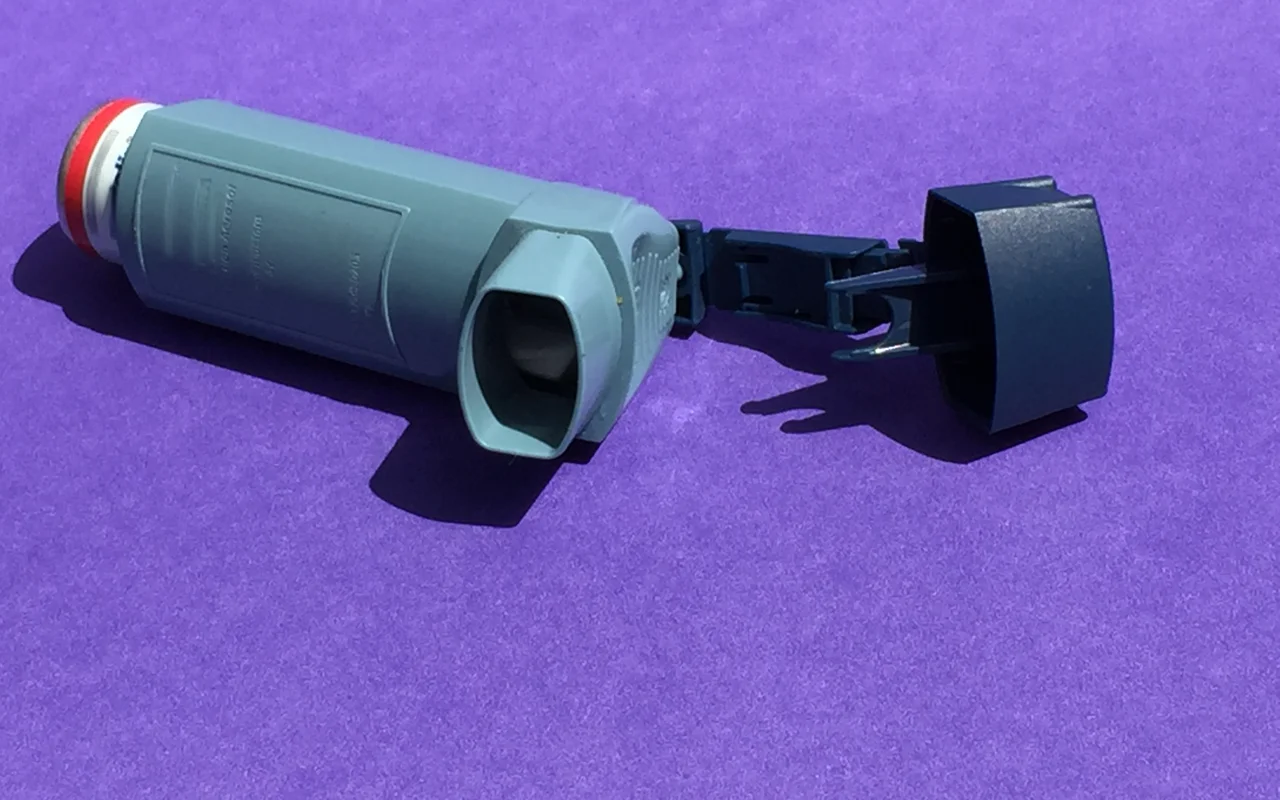
Make the device part of the conversation
Knowing the name of an inhaled medicine is only part of using it. With chronic obstructive pulmonary disease, or COPD, the device and the way it is handled also matter. The National Heart, Lung, and Blood Institute notes that people can have difficulty loading, inhaling from or cleaning an inhaler, and that different inhalers are not used in the same way. At your next planned review, bring each inhaler you currently use, along with its instructions and any prescribed spacer. Ask the clinician or pharmacist to watch how you use it. A demonstration gives them something more useful to assess than a yes-or-no answer about whether you understand the instructions.
Review each inhaler separately
Ask for instructions that match the exact device in your hand. How is a dose prepared? What breathing technique does it require? How should it be maintained, and how can you tell when a replacement is needed? Do not assume that the method for a previous prescription transfers unchanged to a new one. If a step is difficult, say which one. Trouble gripping a device, reading its instructions or remembering a sequence is worth discussing. The Canadian Lung Association identifies pharmacists, nurses and respiratory educators, as well as the prescribing provider, as people who can assess inhaler technique. Ask for another demonstration and a chance to practice with appropriate supervision.
Clarify the purpose of every medicine
The American Lung Association explains that COPD treatment may include quick-relief medicines and longer-acting medicines used on a regular schedule. Ask your care team to identify the role of each prescription and put the schedule in terms you can follow. Appearance alone is not a dependable guide to which medicine to use. Keep following the prescribed plan; a technique review is not a reason to stop treatment or experiment with doses. Mention missed doses, side effects and cost or insurance barriers. An accurate account of what you can actually obtain and use helps the team address problems that a prescription list may conceal.
Leave with a plan for change
The American Lung Association recommends reviewing medicines and inhalation technique at healthcare visits. It also advises following your COPD action plan or contacting your provider promptly if symptoms worsen. Ask which changes should trigger a call and which require emergency help, and keep those instructions accessible. Technique is one part of COPD care. Persistent breathing difficulty should not automatically be blamed on the inhaler or your ability to use it. Tell the care team what has changed so they can assess the broader picture and decide what needs attention.
Sources & references
- NHLBI: COPD Treatment
- American Lung Association: Understanding Your COPD Medications
- Canadian Lung Association: Treatments for COPD
Continue exploring
Related topic · Find a provider · Explore destinations

Destination profile
Inside Hippocrates Wellness: A Plant-Based Retreat in West Palm Beach
A closer look at the Florida campus, its 21-day Life Transformation Program, and the practical details of planning a residential wellness stay.

Program explainer
Cancer, Lyme Disease and Whole-Person Support: Inside Hippocrates Wellness
A closer look at the Florida destination’s cancer wellness and Lyme programs, their focus on daily life, and the evidence questions that matter when planning a stay.
Program profile
When Lyme Symptoms Linger: Inside Hippocrates Wellness’s Whole-Person Program
For people exploring support alongside medical care, the Florida destination brings nutrition, education, rest and daily routines into one residential setting.