Practical guide
Bring Your Priorities to Treatment Decisions
A useful conversation about treatment connects the available evidence with the activities, responsibilities and tradeoffs that matter in your life.
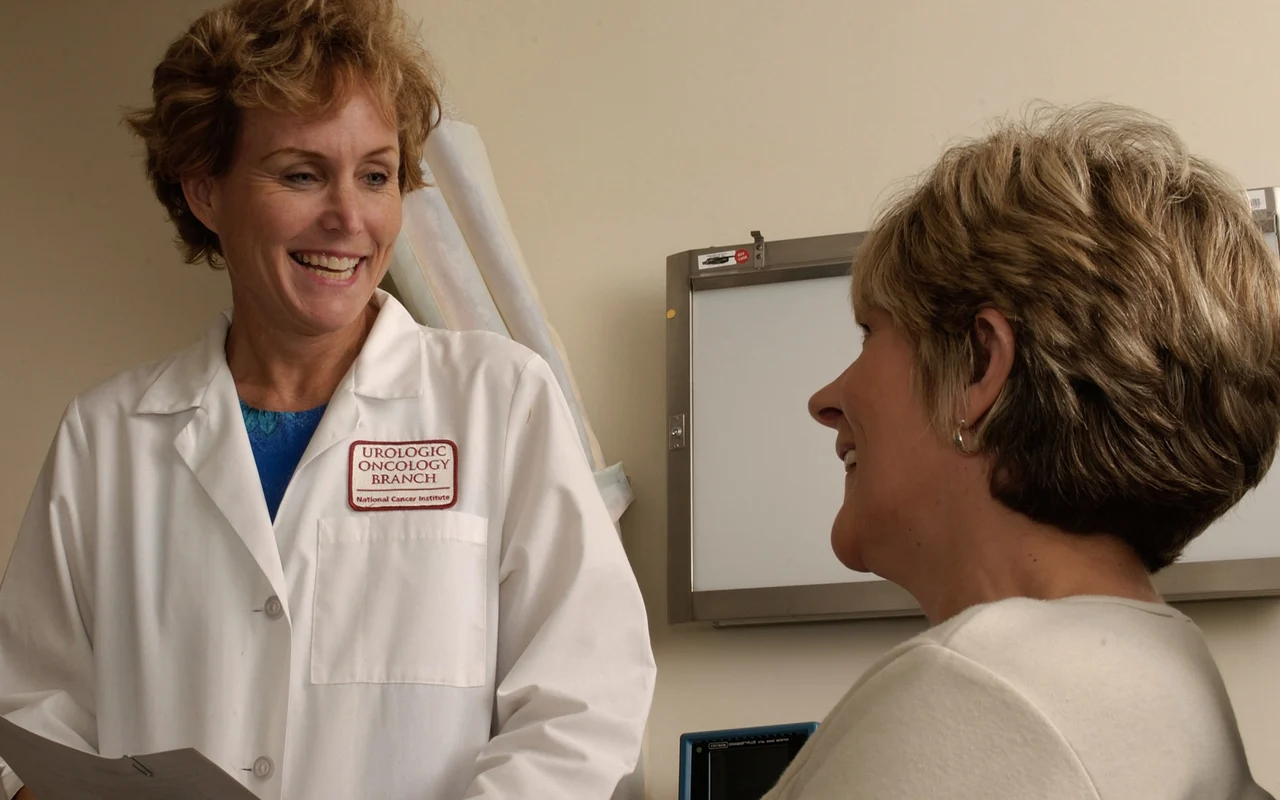
Start with the decision in front of you
A treatment conversation can move quickly from a diagnosis to a recommendation. Before it does, ask the clinician to name the decision you are making together. Is the immediate question whether to have a test, start a medicine, consider a procedure or monitor a condition? Understanding that question gives the visit a clearer purpose. It also helps separate what needs attention now from matters that can be discussed at another appointment.
Make your goals concrete
Shared decision-making brings clinical evidence and personal priorities into the same conversation. The Agency for Healthcare Research and Quality describes an approach in which patients understand their options and clinicians take their preferences seriously. Before the visit, write a few sentences about what you hope care will help you do. Being able to work a shift, care for a family member or move comfortably at home can make a broad goal more useful. Mention practical barriers such as transportation, cost and time away from work.
Compare the options on the same terms
Ask what each reasonable option is intended to accomplish, how likely that benefit is and what harms or burdens accompany it. If monitoring without immediate treatment is medically reasonable, include it in the comparison. Ask the clinician to explain uncertainty as well as the evidence supporting a recommendation. A balanced patient decision aid may help organize this discussion. Bring any online material that influenced your thinking so the clinician can explain whether it applies to your situation.
Leave space for questions
A short written list can keep the most important concerns from getting lost. Put your main question first and leave room beside it for the answer. You can ask for an unfamiliar term to be explained or describe the plan back in your own words to check your understanding. If you want a support person present, tell them beforehand whether their role is listening, taking notes or helping you remember a concern. The decision remains a conversation involving you.
Finish with an actionable plan
Before leaving, confirm what happens next, who will arrange it and how you will receive results or follow-up advice. Ask how much time you safely have to consider the options and what changes should prompt an earlier call. Keep the agreed plan with your questions rather than relying on memory alone. If the practical demands turn out to be unmanageable, contact the care team. That information belongs in the ongoing discussion about a plan you can actually follow.
Sources & references
Continue exploring
Related topic · Find a provider · Explore destinations

Destination profile
Inside Hippocrates Wellness: A Plant-Based Retreat in West Palm Beach
A closer look at the Florida campus, its 21-day Life Transformation Program, and the practical details of planning a residential wellness stay.

Program explainer
Cancer, Lyme Disease and Whole-Person Support: Inside Hippocrates Wellness
A closer look at the Florida destination’s cancer wellness and Lyme programs, their focus on daily life, and the evidence questions that matter when planning a stay.
Program profile
When Lyme Symptoms Linger: Inside Hippocrates Wellness’s Whole-Person Program
For people exploring support alongside medical care, the Florida destination brings nutrition, education, rest and daily routines into one residential setting.