Practical guide
Build a Dental-Care Routine Around What You Can Do Consistently
Brushing, cleaning between teeth and practical adaptations belong in everyday whole-person care.
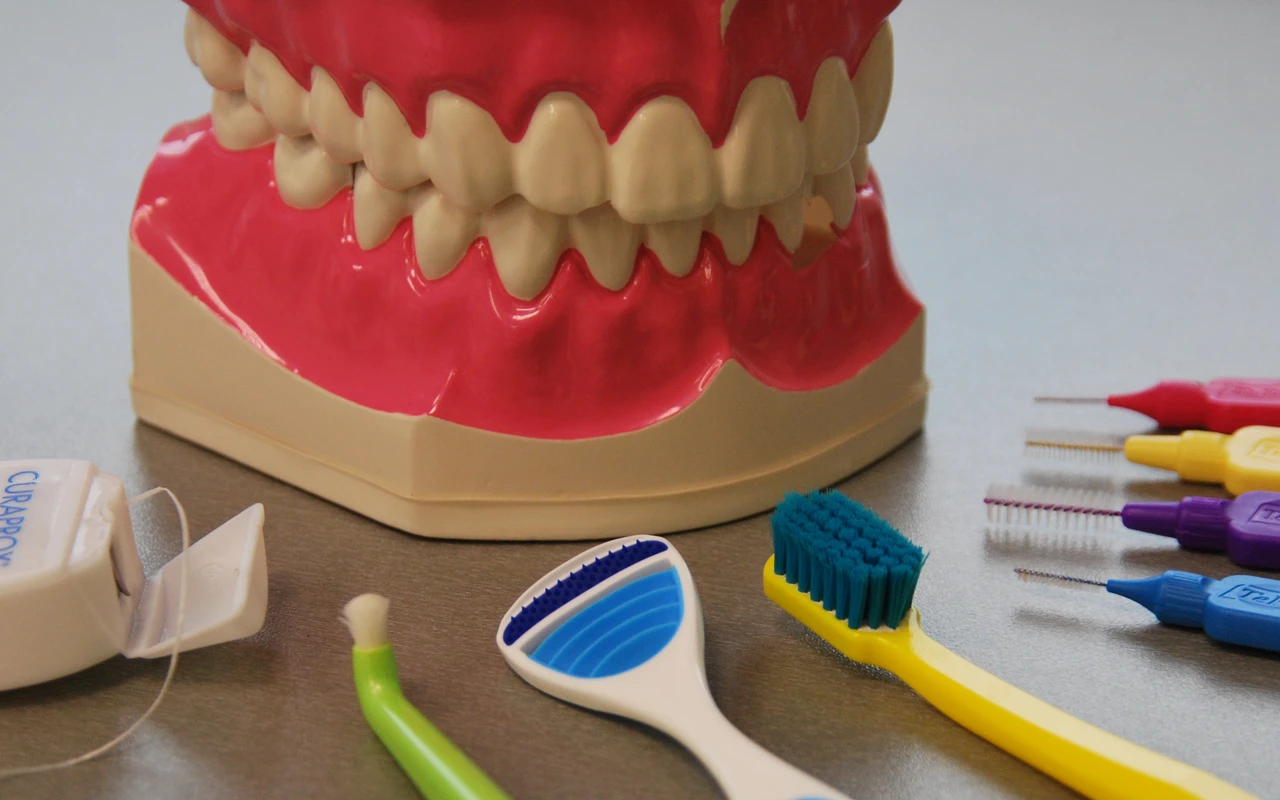
Make room for the mouth in daily care
Oral health affects familiar activities: eating, speaking and feeling comfortable around other people. A workable routine deserves attention alongside meals, movement and other daily care. NIDCR recommends brushing twice a day with fluoride toothpaste, cleaning between teeth regularly and attending dental visits. Start by looking at what is already easy and what gets missed. Is the problem remembering, reaching the back teeth, holding a brush or finding a convenient time? The answer is more useful than simply resolving to try harder.
Focus on coverage rather than force
NIDCR advises gentle brushing, with the bristles angled toward the gumline and attention to every side of each tooth. Scrubbing harder is not the objective. Ask a dental professional to demonstrate technique if you are unsure where you are missing areas. Replace a brush when its bristles become worn. Set out the toothpaste and brush where you will use them, while keeping them clean. A simple sequence through the mouth can help you notice whether you repeatedly skip the same area.
Find a workable way between teeth
A toothbrush does not make cleaning between teeth unnecessary. NIDCR describes floss as well as options such as floss holders, interdental brushes and water flossers. If arthritis, limited hand movement or another difficulty makes one method impractical, ask the dental team which alternative suits your mouth. Avoid forcing a tool into a tight space. Practice with guidance rather than buying several devices and hoping one solves the problem. The useful choice is both appropriate for your teeth and manageable in your hands.
Bring changes to the dental team
Bleeding, discomfort or difficulty chewing should become part of the conversation instead of disappearing into a vague description of “sensitive teeth.” Note when a problem occurs and whether it interferes with eating or cleaning. Tell the dentist about medicines and dry mouth. NIDCR notes that dry mouth can increase decay risk and may call for additional preventive care. Professional cleaning also addresses hardened plaque that home brushing cannot remove. A daily routine supports dental care; it does not make an examination unnecessary.
Adapt the routine when circumstances change
Travel, caregiving, illness and changes in mobility can disrupt a routine that once worked well. Prepare a small set of supplies for the setting where care will happen, and discuss assistance respectfully when someone needs help. Choose a regular point in the day for cleaning between teeth rather than leaving it to chance. At the next dental visit, ask whether your tools and schedule still fit your needs. An effective routine is something you can maintain and adjust, not a collection of products displayed beside the sink.
Sources & references
Continue exploring
Related topic · Find a provider · Explore destinations

Destination profile
Inside Hippocrates Wellness: A Plant-Based Retreat in West Palm Beach
A closer look at the Florida campus, its 21-day Life Transformation Program, and the practical details of planning a residential wellness stay.

Program explainer
Cancer, Lyme Disease and Whole-Person Support: Inside Hippocrates Wellness
A closer look at the Florida destination’s cancer wellness and Lyme programs, their focus on daily life, and the evidence questions that matter when planning a stay.
Program profile
When Lyme Symptoms Linger: Inside Hippocrates Wellness’s Whole-Person Program
For people exploring support alongside medical care, the Florida destination brings nutrition, education, rest and daily routines into one residential setting.