Practical guide
Build Safer Headphone Habits
Volume, listening time and the surrounding noise all matter when protecting hearing during everyday audio use.
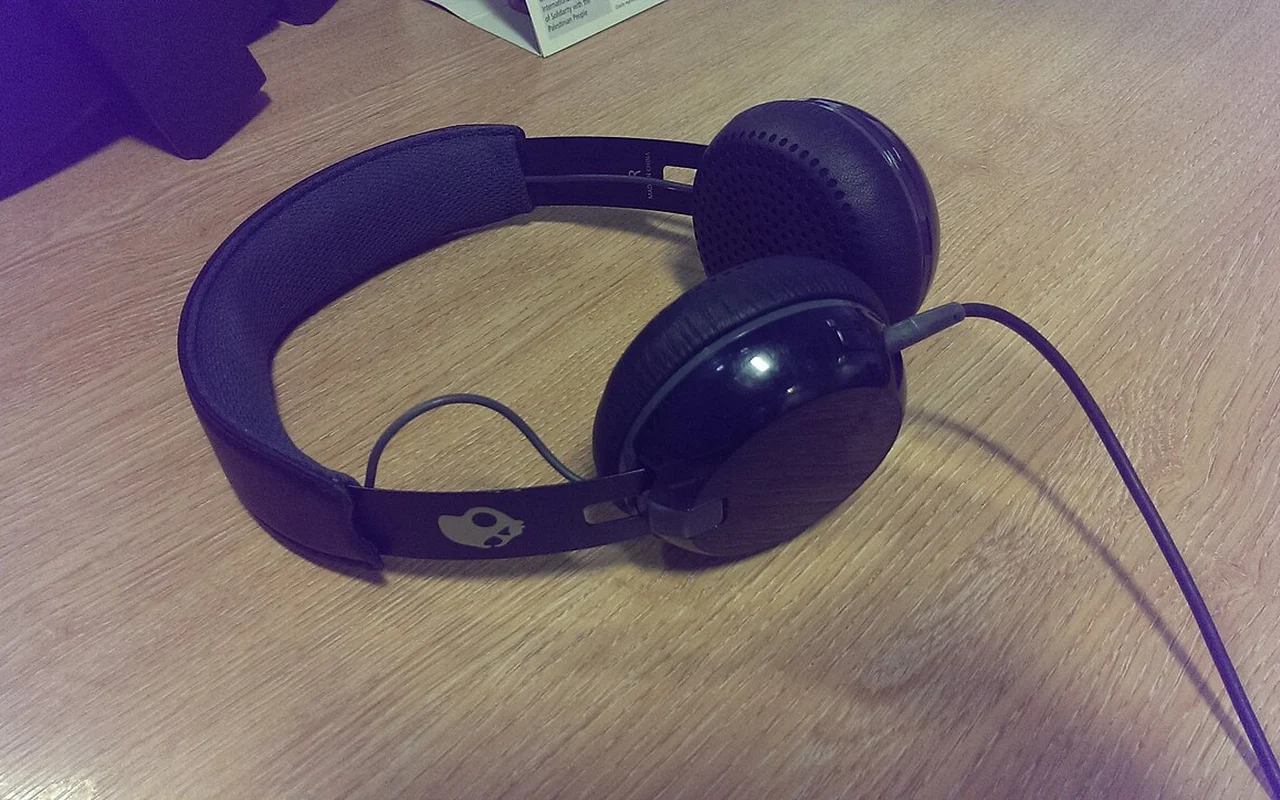
Consider the whole listening day
Music, meetings, games and commuting can keep headphones in use for much of a day. Hearing risk depends on sound level and exposure time, not simply whether a device is labeled as headphones or earbuds. NIDCD explains that noise injury may develop gradually or follow a single intense sound. Start by noticing where you turn the volume up and how long those sessions last. Those patterns identify practical places to make changes.
Lower the need for extra volume
The World Health Organization recommends well-fitting, noise-cancelling headphones to reduce the temptation to overpower background noise. Choose a quieter setting when possible and lower the listening level. As a practical starting point, review the device settings before the next call or music session rather than adjusting them only after the sound becomes uncomfortable. A comfortable fit can support the routine, but the purpose remains reducing exposure, not finding a product that makes unlimited loud listening safe.
Use the settings that show exposure
WHO recommends sound-exposure monitoring and volume-limiting features. Check whether your device offers them and read the instructions for the connected headphones. If an alert appears, use it as a reason to lower the sound or pause. Consider where the rest of the day adds noise, including entertainment and household tasks. A simple note about the longest sessions may help you spot habits without turning listening into another complicated tracking project.
Build in quieter intervals
WHO advises breaks in quiet surroundings and less time spent with loud sound. Between meetings, take headphones off when audio is unnecessary; after a noisy activity, choose a quieter interval rather than another loud session. At concerts or around loud equipment, NIDCD recommends appropriate hearing protectors and moving away when noise cannot be reduced. Headphone habits are only one part of hearing protection. Consider the full environment and use protection suited to the activity.
Respond to hearing changes
Ringing, muffled sound or difficulty understanding conversation deserves attention. NIDCD notes that noise damage can be gradual and easy to miss, and recommends a hearing test if you suspect hearing loss. Do not judge the safety of an activity solely by whether your hearing seems to recover afterward. Write down when changes occur and the listening situations involved so you can describe them at an appointment. The everyday aim is to keep audio enjoyable while making lower volume, shorter exposure and appropriate protection easier choices.
Sources & references
Continue exploring
Related topic · Find a provider · Explore destinations

Destination profile
Inside Hippocrates Wellness: A Plant-Based Retreat in West Palm Beach
A closer look at the Florida campus, its 21-day Life Transformation Program, and the practical details of planning a residential wellness stay.

Program explainer
Cancer, Lyme Disease and Whole-Person Support: Inside Hippocrates Wellness
A closer look at the Florida destination’s cancer wellness and Lyme programs, their focus on daily life, and the evidence questions that matter when planning a stay.
Program profile
When Lyme Symptoms Linger: Inside Hippocrates Wellness’s Whole-Person Program
For people exploring support alongside medical care, the Florida destination brings nutrition, education, rest and daily routines into one residential setting.