Practical guide
How to Choose a Yoga Class That Fits Your Needs
Ask about pace, instruction and adaptations before committing to a class or membership.
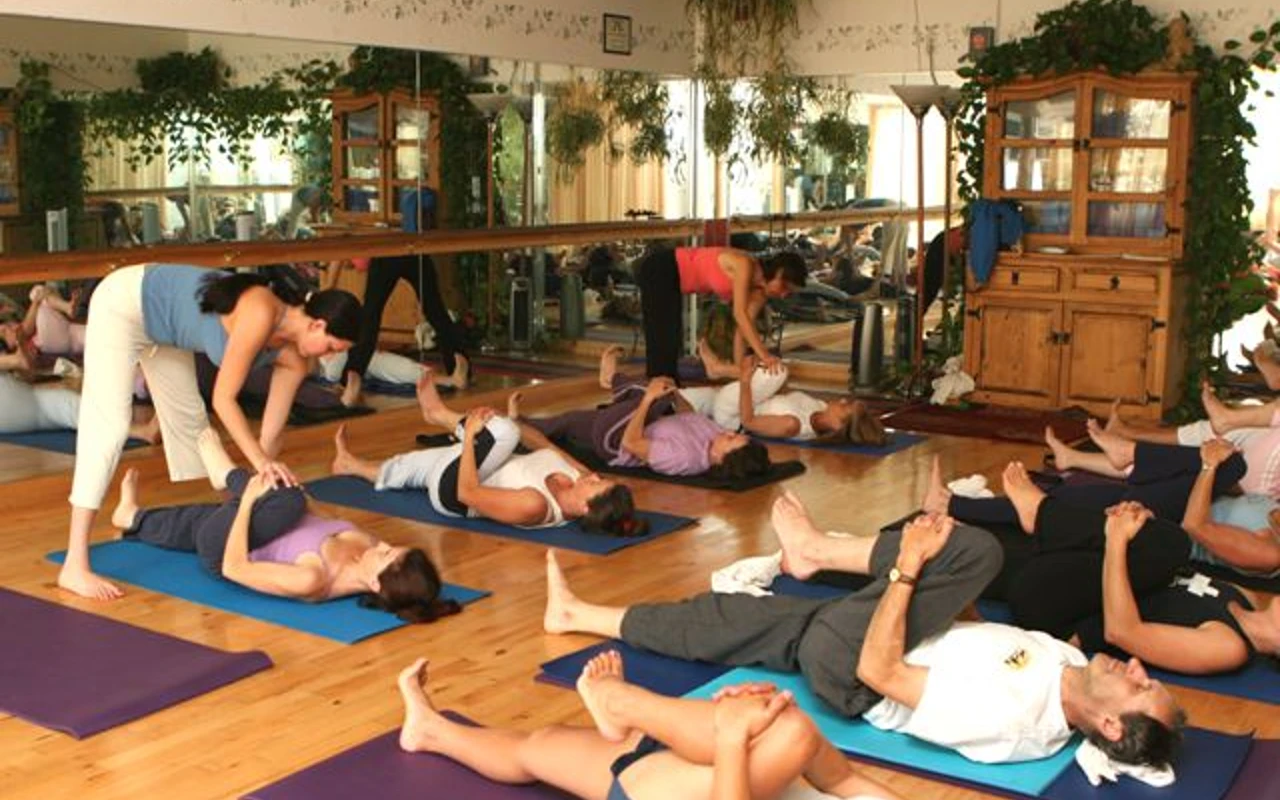
Read beyond the class name
Yoga classes can differ substantially in physical demands, pace and emphasis. A photograph of an impressive pose tells you little about how a teacher works with a newcomer. Before booking, decide what you hope to make room for: a quieter part of the week, a movement practice or time to learn breathing and attention skills. Treat those preferences as questions for the instructor. You do not need to arrive with a particular body shape or an ambition to master advanced positions.
Ask what happens in the room
NIH News in Health suggests starting with an appropriate beginner, gentle or senior class and asking about the instructor’s training and experience. Follow that with practical questions: How often does the class move between standing and the floor? Are chairs or other supports available? Can participants rest or choose a different version of a movement? Ask whether the room is heated, how many people attend and whether there is time for questions before class. Specific answers are more useful than broad promises.
Make individual needs part of the discussion
NCCIH advises older adults, pregnant people and those with health conditions to discuss individual needs with their health professionals and instructors. Some poses or practices may need modification. Share the relevant movement restrictions or recommendations privately before the session. An instructor should be able to explain the options within that class without asking you to perform through a problem. If the setting cannot accommodate what you need, looking for another class is a reasonable decision, not a failure of motivation.
Keep expectations proportional to the evidence
NCCIH describes research suggesting benefits for several aspects of well-being, while noting that differences between yoga styles make results difficult to compare. A class should not be presented as a guaranteed treatment for a diagnosis. The agency also advises beginners to avoid extreme practices and notes overheating and dehydration risks with hot yoga. NIH emphasizes starting slowly. Choose instruction that leaves room for learning; a demanding session is not automatically a more useful one.
Use the first visit to judge the fit
After an introductory session, consider the experience in ordinary terms. Could you hear and understand the instructions? Were alternatives demonstrated clearly? Did the teacher respect questions and your decision to pause? Also consider travel time, cost and whether the schedule is realistic. Write down one thing that worked and one thing you would need changed before returning. A sustainable mind-body practice starts with a setting in which you can participate comfortably and make informed choices about your own limits.
Sources & references
Continue exploring
Related topic · Find a provider · Explore destinations

Destination profile
Inside Hippocrates Wellness: A Plant-Based Retreat in West Palm Beach
A closer look at the Florida campus, its 21-day Life Transformation Program, and the practical details of planning a residential wellness stay.

Program explainer
Cancer, Lyme Disease and Whole-Person Support: Inside Hippocrates Wellness
A closer look at the Florida destination’s cancer wellness and Lyme programs, their focus on daily life, and the evidence questions that matter when planning a stay.
Program profile
When Lyme Symptoms Linger: Inside Hippocrates Wellness’s Whole-Person Program
For people exploring support alongside medical care, the Florida destination brings nutrition, education, rest and daily routines into one residential setting.