Practical guide
Find Joint-Friendly Movement You Can Repeat
Start small, choose manageable activity and use arthritis-specific support to build a routine that fits your circumstances.
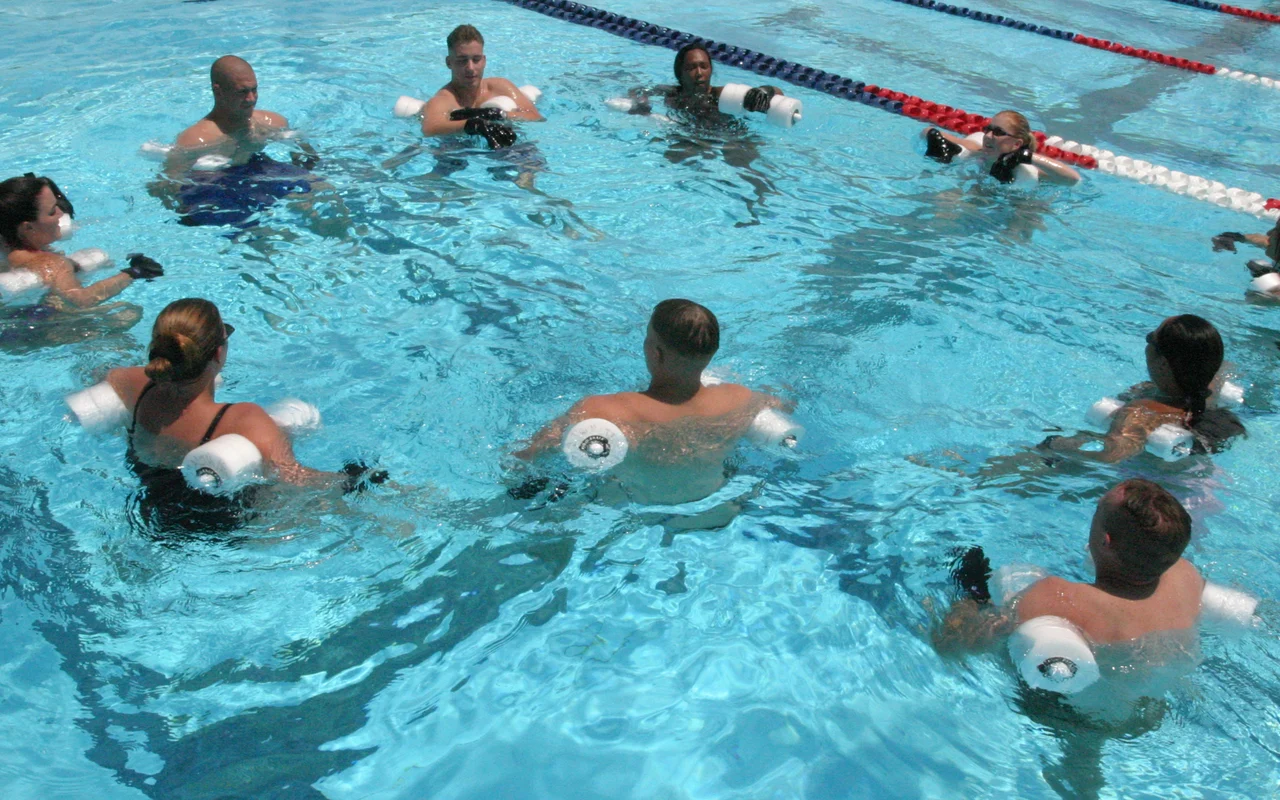
Choose a manageable starting point
For someone with arthritis, an exercise plan needs to fit both the joints and the day around them. The CDC identifies physical activity as a way to help reduce joint pain and improve function and mood. A useful first step can be a short, accessible activity that does not create significant joint pain. CDC examples include walking, cycling, swimming, water exercises, light gardening and tai chi. They are options to discuss and adapt, rather than interchangeable prescriptions. Think about the surface, equipment, travel and movements involved. An appealing activity becomes less practical if reaching it is the hardest part.
Build gradually and notice symptoms
CDC guidance allows activity to be divided into short sessions, including five or ten minutes. Start slowly and increase in small amounts as you become accustomed to the movement. The general adult target combines aerobic activity with muscle strengthening; it is a direction for building a routine, not a demand to do everything on the first day. Ask your health professional for recommendations suited to your arthritis and other health needs. A physical therapist may help when you are getting started. Contact your clinician about severe symptoms, and seek advice if activity-related joint pain is not improving. A plan should respond to symptoms rather than reward pushing through them.
Look for support designed for arthritis
A class or structured program can provide more guidance than a list of exercises. CDC recognizes both physical activity programs and self-management education programs for people with arthritis. These serve different purposes: one helps build movement, while the other can support skills for managing symptoms and everyday decisions. Examples on the CDC list include Walk With Ease and the Arthritis Foundation Aquatic Program. Programs may be delivered in community or health care settings, with some available remotely. Recognition does not mean a particular class is running nearby today. Check the current format, schedule, accessibility, fees and instructor support before enrolling.
Make repeatability part of the plan
Choose a realistic place in the week and an alternative for days when travel or weather interferes. Keep a simple note of the activity and questions you want to raise at your next visit. That record can make a discussion more specific without turning every session into a score. A routine you can adjust thoughtfully is more useful than an ambitious plan that leaves no room for daily life.
Sources & references
- CDC: About Physical Activity and Arthritis
- CDC: Physical Activity and Self-Management Education Programs for Arthritis
Continue exploring
Related topic · Find a provider · Explore destinations

Destination profile
Inside Hippocrates Wellness: A Plant-Based Retreat in West Palm Beach
A closer look at the Florida campus, its 21-day Life Transformation Program, and the practical details of planning a residential wellness stay.

Program explainer
Cancer, Lyme Disease and Whole-Person Support: Inside Hippocrates Wellness
A closer look at the Florida destination’s cancer wellness and Lyme programs, their focus on daily life, and the evidence questions that matter when planning a stay.
Program profile
When Lyme Symptoms Linger: Inside Hippocrates Wellness’s Whole-Person Program
For people exploring support alongside medical care, the Florida destination brings nutrition, education, rest and daily routines into one residential setting.