Research explainer
Can a Forest Walk Quiet a Looping Thought? Two Routes Through the Evidence
A Zürich experiment separated tree cover from traffic noise. Its walkers drew a distinction between an irritating route and a mind caught on the same thought.
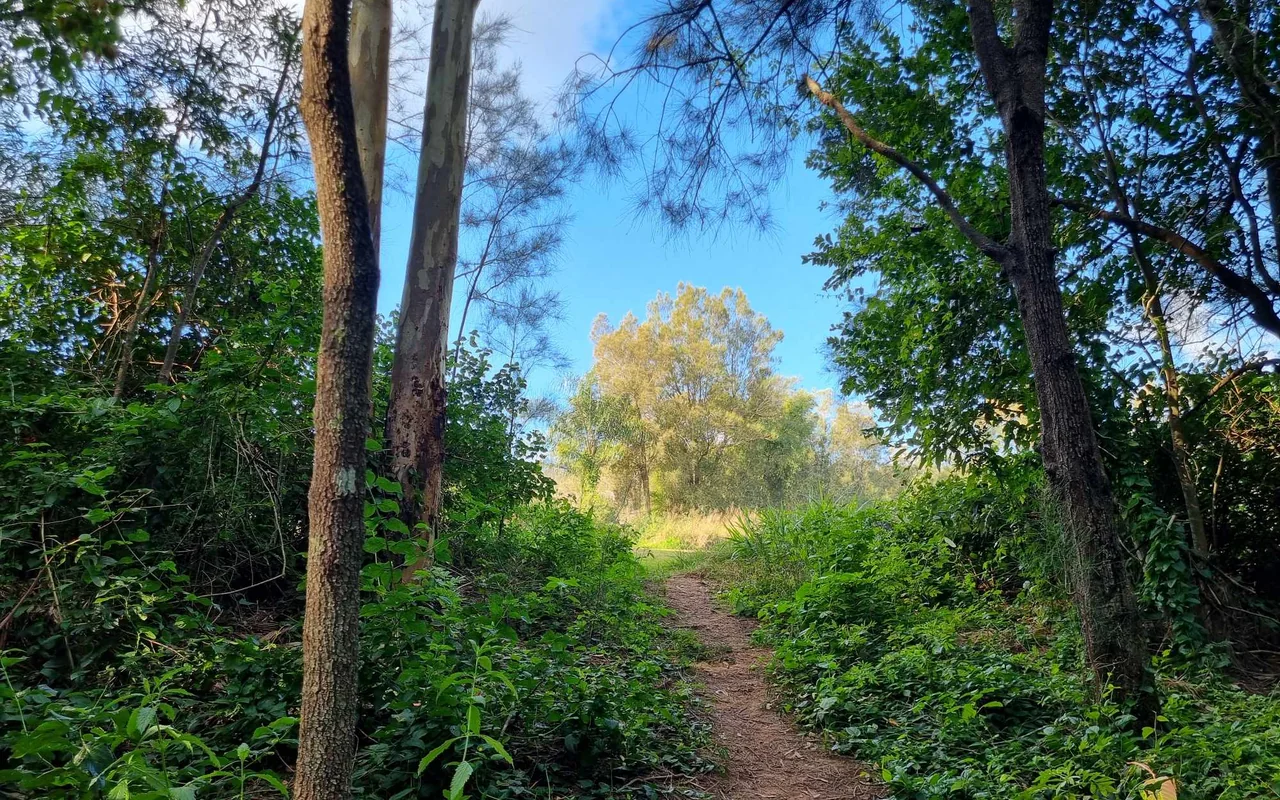
A noisy forest was part of the experiment
When researchers in Zürich set out to learn whether a forest walk interrupts repetitive negative thinking, they included a route that might seem an odd choice for a restorative outing. Some participants walked in woods exposed to road noise. Others walked through a relatively quiet built-up area. Those choices allowed the team to pull apart two features that often come bundled together when a study compares a peaceful park with a busy street.
Which thoughts followed people outside?
The study, published in 2026, analyzed responses from 354 healthy adults after half-hour walks. Participants described how they typically thought about problems and how they thought about them during the outing. A familiar example is replaying an uncomfortable conversation without getting any closer to understanding it. People reported less of this kind of thinking during the walks than in ordinary life. The researchers found no clear extra reduction for forest walkers, or for those whose routes offered more time away from traffic noise. Noise did matter to another part of the experience. Louder roads were more annoying, including when walkers could see trees.
A different comparison near Stanford
An earlier California experiment sent healthy participants on 90-minute walks, either through a natural area or along a busy thoroughfare near Stanford. The nature group reported less rumination afterward. The street group showed little change. Looking at the groups separately gives a sharper impression of contrast than a direct statistical comparison supports. The test of whether scores changed differently across the two routes fell short of the conventional threshold for statistical significance. Brain scans also showed a difference between routes in a region the researchers had selected in advance. The scans measured a short-term response. They could not tell whether a walker would still be thinking differently the next morning.
What a quieter route can offer
The two experiments differed in duration, surroundings and how they asked about thoughts. Neither compared its walkers with people who spent the same time sitting quietly. A break from work, the passage of time and the activity of walking therefore remain possible contributors to the Zürich result. A reader choosing between a nearby sidewalk and a distant trail has a sound reason to prefer whichever feels more pleasant or accessible. These findings give little basis for making a trip to the woods a requirement for a mental break, or for prescribing a particular number of outdoor minutes as treatment.
Sources & references
- Schaupp and colleagues, randomized field trial in Zürich
- Bratman and colleagues, nature walks and rumination
Continue exploring
Related topic · Find a provider · Explore destinations

Destination profile
Inside Hippocrates Wellness: A Plant-Based Retreat in West Palm Beach
A closer look at the Florida campus, its 21-day Life Transformation Program, and the practical details of planning a residential wellness stay.

Program explainer
Cancer, Lyme Disease and Whole-Person Support: Inside Hippocrates Wellness
A closer look at the Florida destination’s cancer wellness and Lyme programs, their focus on daily life, and the evidence questions that matter when planning a stay.
Program profile
When Lyme Symptoms Linger: Inside Hippocrates Wellness’s Whole-Person Program
For people exploring support alongside medical care, the Florida destination brings nutrition, education, rest and daily routines into one residential setting.