Practical guide
Give Medicines a Safe Place at Home
Check storage instructions, keep medicines secure and choose the right route for disposing of unwanted products.
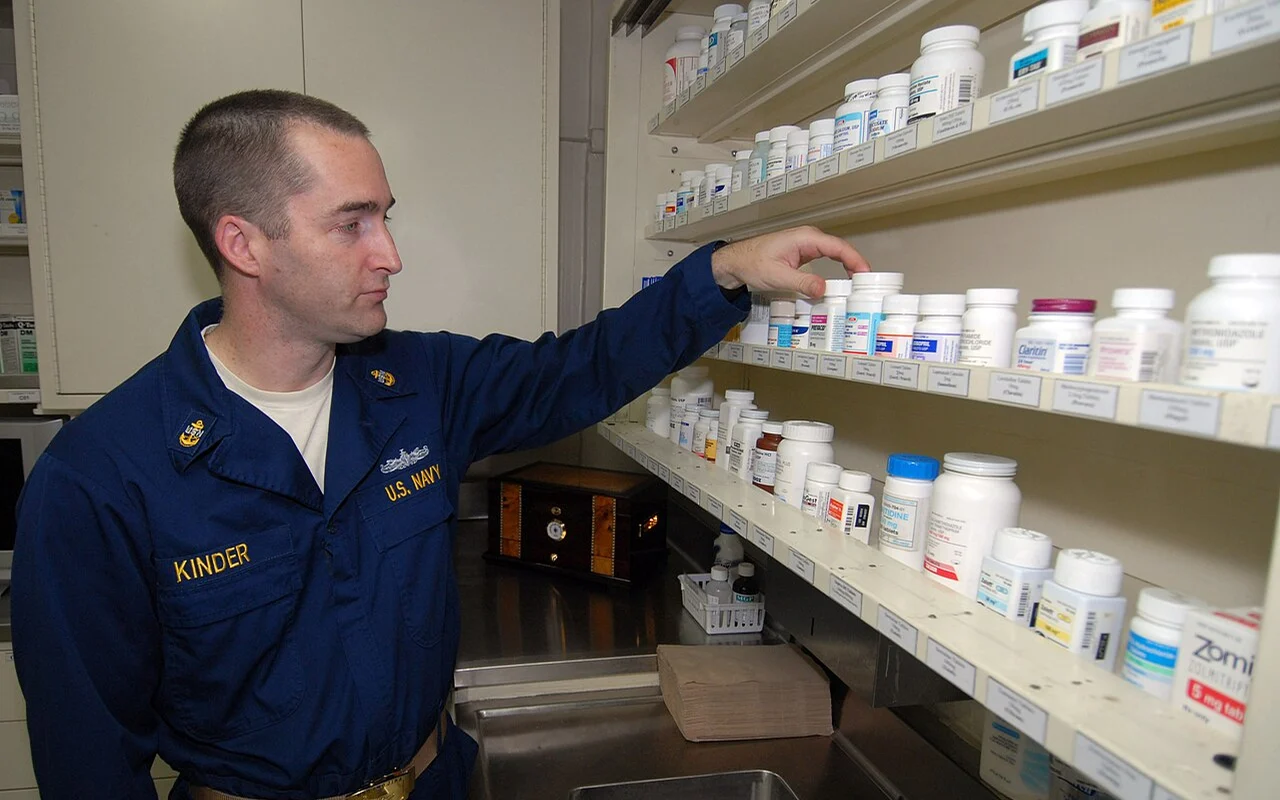
Look at the storage location
The bathroom cabinet is convenient, but shower heat and moisture can damage medicines. MedlinePlus recommends a cool, dry location away from heat and dampness, with any product-specific instructions taking priority. Check the label and ask the pharmacist about anything unclear. A medicine that requires special handling should not be moved into a general household storage system simply because that system is easier to remember. The first question is whether the location suits the product.
Keep identity and safety together
Keep medicines in their original containers so the name, directions and warnings remain available. Store them out of sight and reach of children, using a secured cabinet where appropriate. Consider visiting children as well as those who live at home. If an organizer would help with daily doses, ask a pharmacist whether the particular medicines can be repackaged safely. A storage change should make the routine easier without separating a medicine from the information needed to use it correctly.
Check what needs attention
Look for expired or unused medicines and packaging that is difficult to read. MedlinePlus advises against using medicines that have changed color, smell or texture, or pills that are damaged. If a product you still need is expired or damaged, contact the pharmacy or prescribing team about replacement rather than simply leaving a gap in treatment. Put questions on a short list: where it belongs, whether it is still usable and how it should be discarded.
Use a verified disposal route
The FDA recommends a drug take-back program for most unwanted medicines; some pharmacies also offer mail-back options. Check what a collection location accepts before bringing products. If a take-back route is unavailable, follow the medicine-specific instructions and FDA guidance. Only medicines on the FDA flush list should be flushed under that guidance. Other products may be suitable for household disposal using the specified method. Do not assume every bottle, patch, device or aerosol belongs in the same waste stream.
Finish with clear household instructions
Inhalers need particular care: the FDA warns against puncturing them or putting them into a fire, and directs consumers to local waste services for disposal instructions. Remove personal information from empty packaging before discarding it. If another person helps with medicines, explain the new storage location and which items are awaiting disposal. A brief household check can leave fewer unidentified containers and a clearer routine, while keeping treatment decisions with the prescribing team.
Sources & references
Continue exploring
Related topic · Find a provider · Explore destinations

Destination profile
Inside Hippocrates Wellness: A Plant-Based Retreat in West Palm Beach
A closer look at the Florida campus, its 21-day Life Transformation Program, and the practical details of planning a residential wellness stay.

Program explainer
Cancer, Lyme Disease and Whole-Person Support: Inside Hippocrates Wellness
A closer look at the Florida destination’s cancer wellness and Lyme programs, their focus on daily life, and the evidence questions that matter when planning a stay.
Program profile
When Lyme Symptoms Linger: Inside Hippocrates Wellness’s Whole-Person Program
For people exploring support alongside medical care, the Florida destination brings nutrition, education, rest and daily routines into one residential setting.