Practical guide
Healthy Aging: Look Beyond the Daily Step Count
Walking has a place, but a useful activity conversation also includes strength, balance and the tasks you want to keep doing.
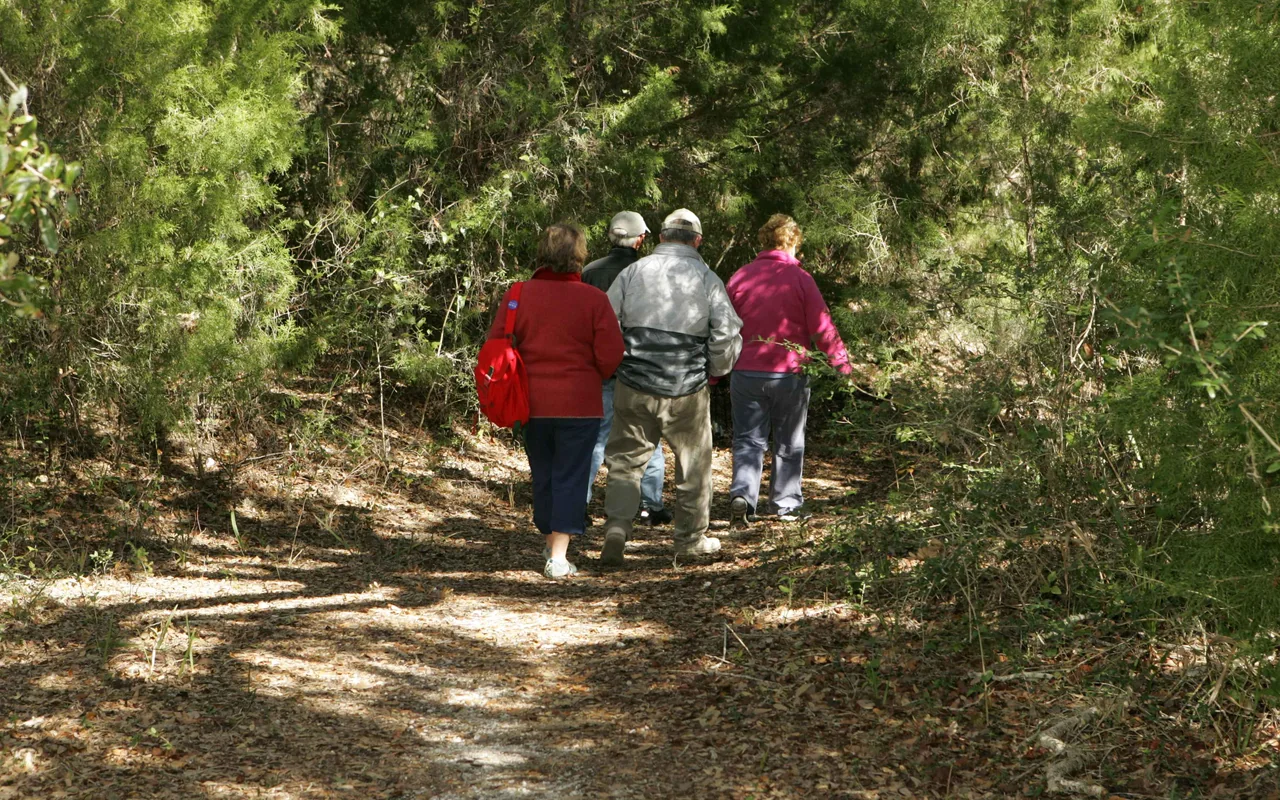
Ask what the number leaves out
A step count can make movement visible, but it cannot describe everything a person wants from an active life. Carrying groceries, rising from a chair and moving confidently through a room involve different demands. When planning for healthy aging, start with the activities you value. A walking goal may be one part of the picture. It should not be the only question in a conversation about physical ability.
Three types worth discussing
The National Institute on Aging highlights aerobic activity, muscle-strengthening activity and balance work. These categories overlap, and some activities combine more than one. Its guidance links aerobic movement with cardiovascular health, strength work with maintaining physical ability, and balance practice with stability and fall prevention. The practical takeaway is variety. A routine built entirely around one activity may leave other needs unaddressed, even when its daily numbers look impressive.
Make a map of your existing week
Before adding activities, describe what is already there. Note walking for transportation, gardening, household tasks, classes or exercises you already do. Then ask a clinician or qualified exercise professional which needs that routine addresses and where it could be adapted. This inventory is a conversation aid, not a way to diagnose weakness or predict falls. Include the circumstances that affect access: weather, neighborhood conditions, fatigue, transportation and whether someone is available to accompany you.
Match the setting to your ability
NIA advises moving carefully during balance activities and having a stable support nearby. When you are unsure about a movement, it recommends guidance from a doctor or physical therapist. An individualized starting point matters more than copying a challenging demonstration. If you have fallen, feel unsteady, have new symptoms or are unsure how a health condition affects activity, discuss that before choosing exercises. The right setting might be home, a supervised class or a rehabilitation appointment.
Review function as well as attendance
For your next review, bring a practical question: what activity would you like to feel more confident doing? That might be joining a family outing or managing an everyday task. Discuss suitable ways to assess progress with your clinician rather than inventing a home test that could cause a fall. Keep the plan adjustable. Time spent participating, enjoyment and barriers encountered can all inform the next conversation, alongside any measures your care team recommends.
Sources & references
Continue exploring
Related topic · Find a provider · Explore destinations

Destination profile
Inside Hippocrates Wellness: A Plant-Based Retreat in West Palm Beach
A closer look at the Florida campus, its 21-day Life Transformation Program, and the practical details of planning a residential wellness stay.

Program explainer
Cancer, Lyme Disease and Whole-Person Support: Inside Hippocrates Wellness
A closer look at the Florida destination’s cancer wellness and Lyme programs, their focus on daily life, and the evidence questions that matter when planning a stay.
Program profile
When Lyme Symptoms Linger: Inside Hippocrates Wellness’s Whole-Person Program
For people exploring support alongside medical care, the Florida destination brings nutrition, education, rest and daily routines into one residential setting.