Research explainer
Kidney Stones Recurred at Similar Rates Despite Extra Hydration Support
A two-year trial tracked whether another kidney stone passed or needed a procedure. Coaching modestly increased urine output, but recurrence rates were similar in both groups.
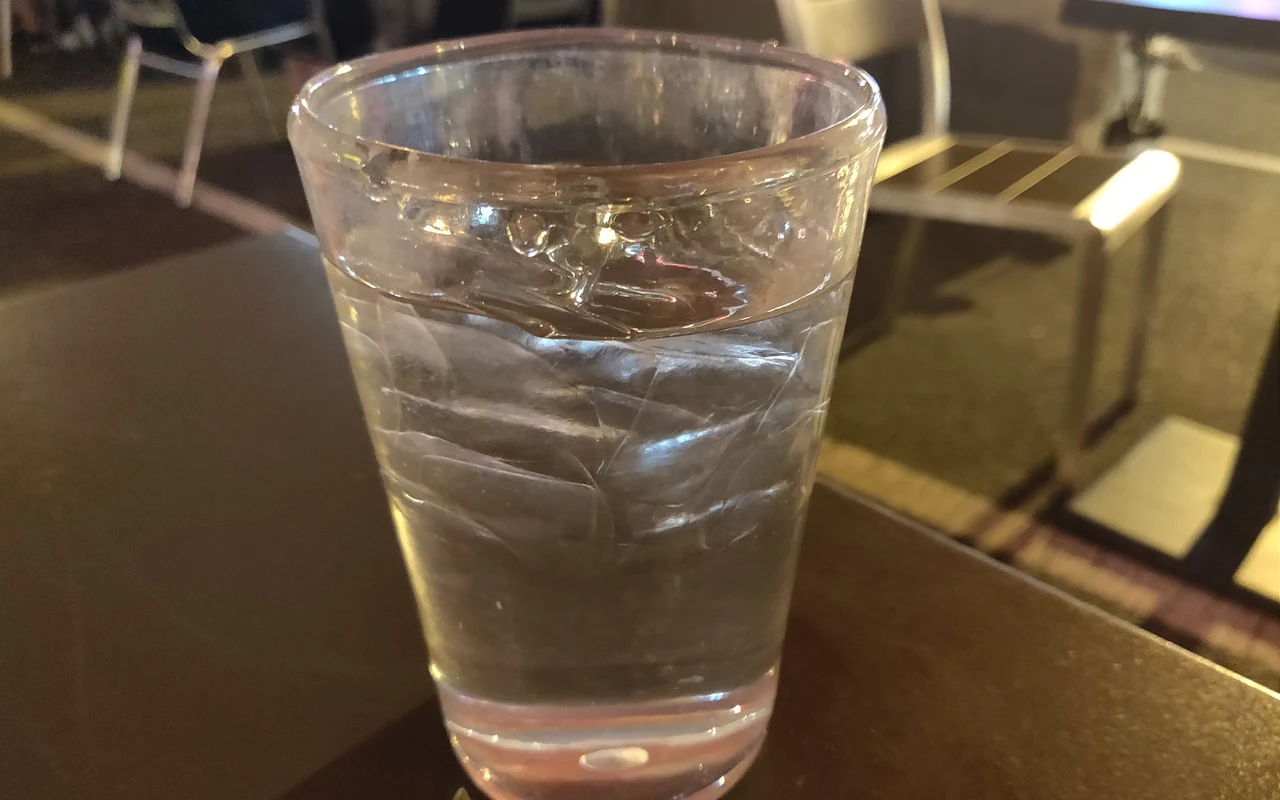
What happened after the first stone
After a kidney stone, the reason clinicians talk about water is straightforward. With less water in the urine, the minerals that form stones can become more concentrated. What happens when a care team helps people drink more over two years? In a U.S. trial reported in The Lancet in March 2026, extra support produced a measurable change in urine volume. By the end of follow-up, roughly one person in five in each group had passed a stone or needed a procedure for one.
Both groups had a water bottle
The PUSH researchers enrolled 1,658 people at six academic medical centers. Participants were at least 12 years old, had already experienced a stone and produced a low volume of urine over 24 hours. Everyone received advice about fluids and a bottle that could track water intake. The comparison group could use the bottle if they wished. No one was assigned to avoid water.
What the extra support bought
A randomly selected half of the participants received a personal fluid goal. They could earn money for meeting it and work with a coach on practical obstacles. Incentives tapered off over time. The researchers periodically asked both groups to collect a full day’s urine. At six, twelve, eighteen and twenty-four months, the people offered the extra support produced more urine on average than their peers. Both groups improved from where they started.
The outcome people could feel
During follow-up, 154 of the 826 people offered extra support had a symptomatic stone event, compared with 165 of the 832 receiving usual care. The difference was small enough to be explained by chance. Imaging at the end of the study also failed to show a clear advantage in new or growing stones. Meanwhile, early questionnaires picked up a cost easy to overlook in a prevention program. People in the intervention group reported more frequent or urgent trips to the bathroom, including at night, at the six- and twelve-month assessments.
The comparison that remains open
The study tested the added value of a particular program for people already receiving prevention advice. It cannot tell a patient what would happen if they abandoned a fluid plan, or whether a larger sustained change in urine volume would yield a different result. For a person whose work shift leaves little access to a bathroom, the trial points to a concrete subject for the next conversation with the stone clinic. A bottle can record every drink without making a break easier to take.
Sources & references
- Desai and colleagues, The Lancet (2026), PUSH randomized trial
- National Institute of Diabetes and Digestive and Kidney Diseases, PUSH trial design, pages 87–88
Continue exploring
Related topic · Find a provider · Explore destinations

Destination profile
Inside Hippocrates Wellness: A Plant-Based Retreat in West Palm Beach
A closer look at the Florida campus, its 21-day Life Transformation Program, and the practical details of planning a residential wellness stay.

Program explainer
Cancer, Lyme Disease and Whole-Person Support: Inside Hippocrates Wellness
A closer look at the Florida destination’s cancer wellness and Lyme programs, their focus on daily life, and the evidence questions that matter when planning a stay.
Program profile
When Lyme Symptoms Linger: Inside Hippocrates Wellness’s Whole-Person Program
For people exploring support alongside medical care, the Florida destination brings nutrition, education, rest and daily routines into one residential setting.