Research explainer
Four Hundred Meters Became the Measure of Independence in an Aging Study
A trial of 1,635 older adults tested whether a center-and-home activity program could preserve a walking ability everyone had at enrollment.
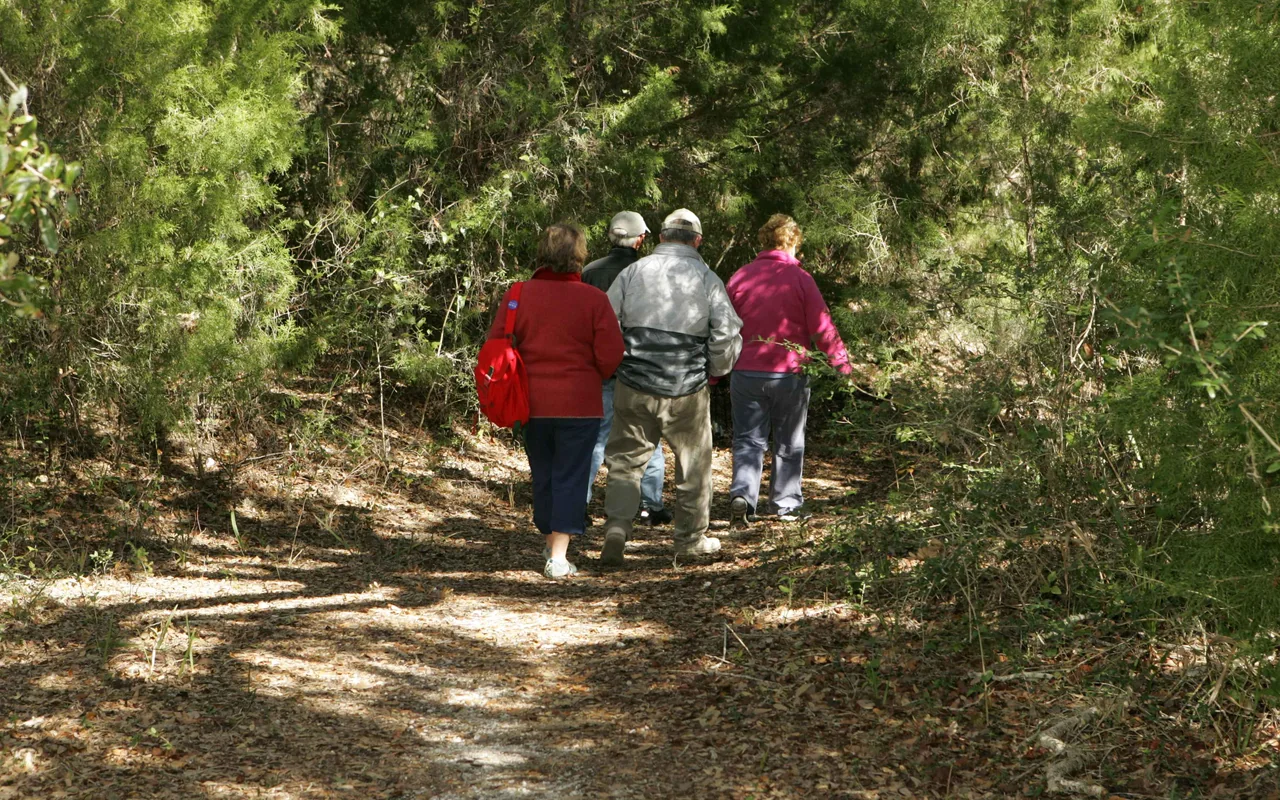
An outcome people could demonstrate
At the start of the LIFE study, every participant could walk 400 meters, roughly the distance around a standard outdoor track. The researchers made losing that ability their principal outcome. A person could increase the amount of exercise they did without changing how they rated their health. Equally, someone could feel stronger at home and still have difficulty covering a sustained distance. Asking participants to perform the walk gave investigators at eight US centers a common way to recognize a consequential change in mobility. It also fixed the starting line for everyone included in the comparison.
A program with two settings
Participants were aged 70 to 89, were sedentary and had measurable limitations in physical performance. Random assignment placed them in one of two organized programs. One combined aerobic activity, strength work and flexibility exercises, with sessions at a center twice each week and activity at home on three or four days. The comparison group attended workshops about aging and did upper-body stretching. This detail changes how one reads the result. People in both groups had activities and contact with a program. The comparison tested the additional value of the particular physical activity package over that educational alternative.
Who lost the ability to walk the distance?
During an average of 2.6 years, 246 of the 818 participants in the physical activity group lost the ability to complete the walk, compared with 290 of 817 in the education group. That works out to about five fewer people per hundred over the observation period. The study also distinguished a loss that persisted from one that appeared at an assessment and later resolved. Persistent mobility disability affected about 15 percent in the activity group and 20 percent in the education group. Even with structured support, a substantial number of participants encountered difficulty.
Where the evidence travels
A community center considering this research has to account for the repeated sessions, the home component and the mix of activities. The investigators did not isolate a single exercise or a daily step target. Nor did they test recovery in people already unable to walk 400 meters. Their result addresses an earlier and often less visible stage of disability, when a person can still cover the distance but physical testing suggests that ability is at risk. Preserving an existing capacity was the purpose of the program and the outcome against which it was judged.
Sources & references
Continue exploring
Related topic · Find a provider · Explore destinations

Destination profile
Inside Hippocrates Wellness: A Plant-Based Retreat in West Palm Beach
A closer look at the Florida campus, its 21-day Life Transformation Program, and the practical details of planning a residential wellness stay.

Program explainer
Cancer, Lyme Disease and Whole-Person Support: Inside Hippocrates Wellness
A closer look at the Florida destination’s cancer wellness and Lyme programs, their focus on daily life, and the evidence questions that matter when planning a stay.
Program profile
When Lyme Symptoms Linger: Inside Hippocrates Wellness’s Whole-Person Program
For people exploring support alongside medical care, the Florida destination brings nutrition, education, rest and daily routines into one residential setting.