Practical guide
Make Daily Foot Checks Part of Diabetes Care
A clear home routine and an agreed contact plan can help bring foot changes to clinical attention promptly.
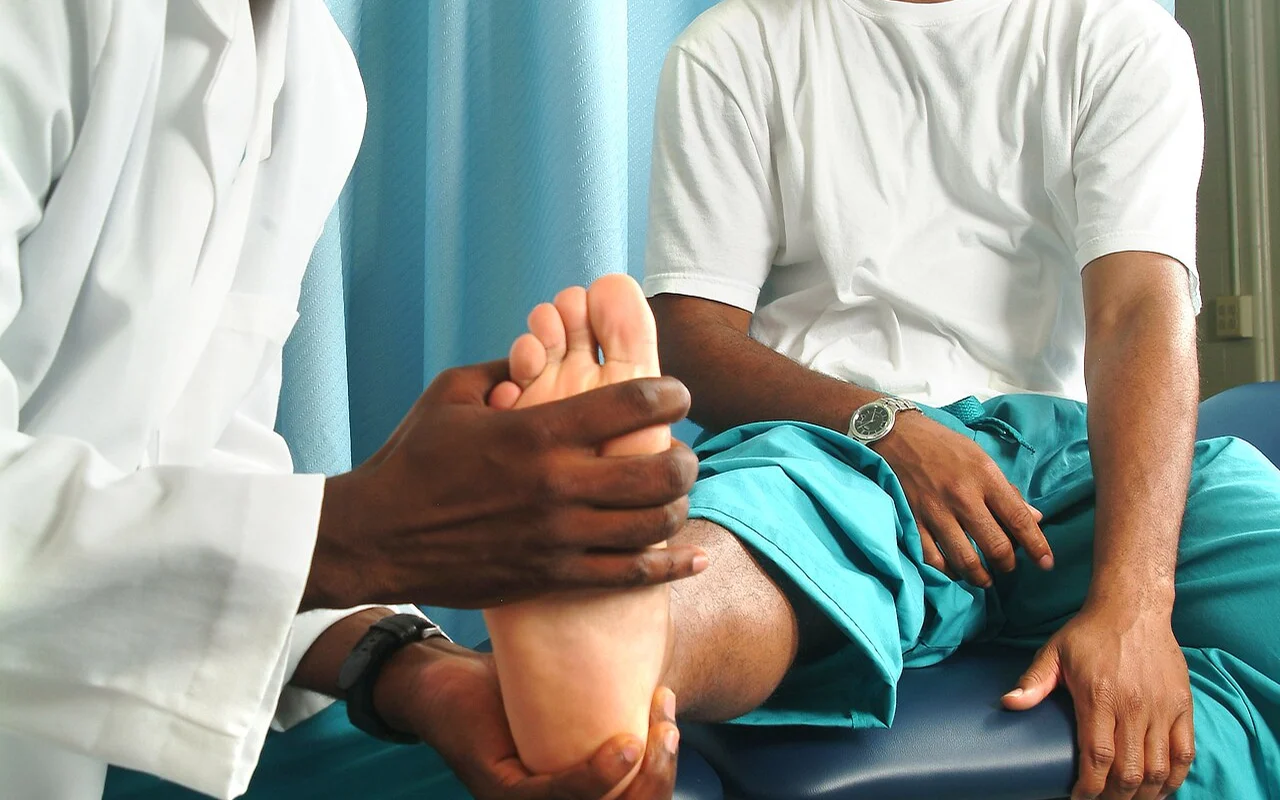
Check even when nothing hurts
Diabetes can damage nerves and reduce blood flow to the feet. Reduced sensation means a blister or small injury may not hurt, while circulation problems can make healing more difficult. That is why foot care belongs in the everyday diabetes routine rather than only on the appointment checklist. A visual check gives you information that comfort alone cannot provide. It also creates an opportunity to notice a change and ask for help early.
Choose a routine you can actually see
The CDC recommends looking at your feet every day for cuts, redness, swelling, blisters and changes to skin or nails. Include the soles and spaces between toes. A mirror or help from another person can make hard-to-see areas accessible. If vision, balance or flexibility makes checking difficult, tell the care team. Ask for a demonstration and an arrangement that works for your home rather than relying on a routine you cannot carry out safely.
Make shoes part of the check
Before putting shoes on, look inside for objects and rough lining. Wear well-fitting shoes with socks, and avoid walking barefoot. The CDC advises against removing corns or calluses yourself or using over-the-counter removers, which can damage skin. Ask a foot-care professional about nail care if you cannot see or reach your feet. These questions can be discussed before a problem develops, including who can help and how appointments are arranged.
Give the next visit a clear purpose
NIDDK recommends asking for a foot check at health care visits and a thorough examination at least annually, with more frequent assessment for certain risk factors. Ask when your last complete examination occurred and whether your follow-up schedule matches your risk. Describe changes in feeling, skin, footwear comfort or walking. A useful appointment outcome is knowing what to inspect, what care you can perform yourself and which tasks need professional support. Bring any practical barriers into that conversation.
Know how to report a change
Do not save a new blister, sore, ulcer or concerning change for a distant routine appointment. CDC guidance calls for prompt clinical attention to these problems and other symptoms, including altered sensation or changes in foot color or temperature. Ask the practice which number to use and what to do outside office hours. Recording when you first noticed a change can help explain it, but taking a photograph or making notes should not delay contact. Daily checks support clinical care; they do not replace it.
Sources & references
Continue exploring
Related topic · Find a provider · Explore destinations

Destination profile
Inside Hippocrates Wellness: A Plant-Based Retreat in West Palm Beach
A closer look at the Florida campus, its 21-day Life Transformation Program, and the practical details of planning a residential wellness stay.

Program explainer
Cancer, Lyme Disease and Whole-Person Support: Inside Hippocrates Wellness
A closer look at the Florida destination’s cancer wellness and Lyme programs, their focus on daily life, and the evidence questions that matter when planning a stay.
Program profile
When Lyme Symptoms Linger: Inside Hippocrates Wellness’s Whole-Person Program
For people exploring support alongside medical care, the Florida destination brings nutrition, education, rest and daily routines into one residential setting.