Practical guide
Make Home Blood-Pressure Readings Useful to Your Care Team
A consistent setup and a clear reporting plan help turn home measurements into a useful record.
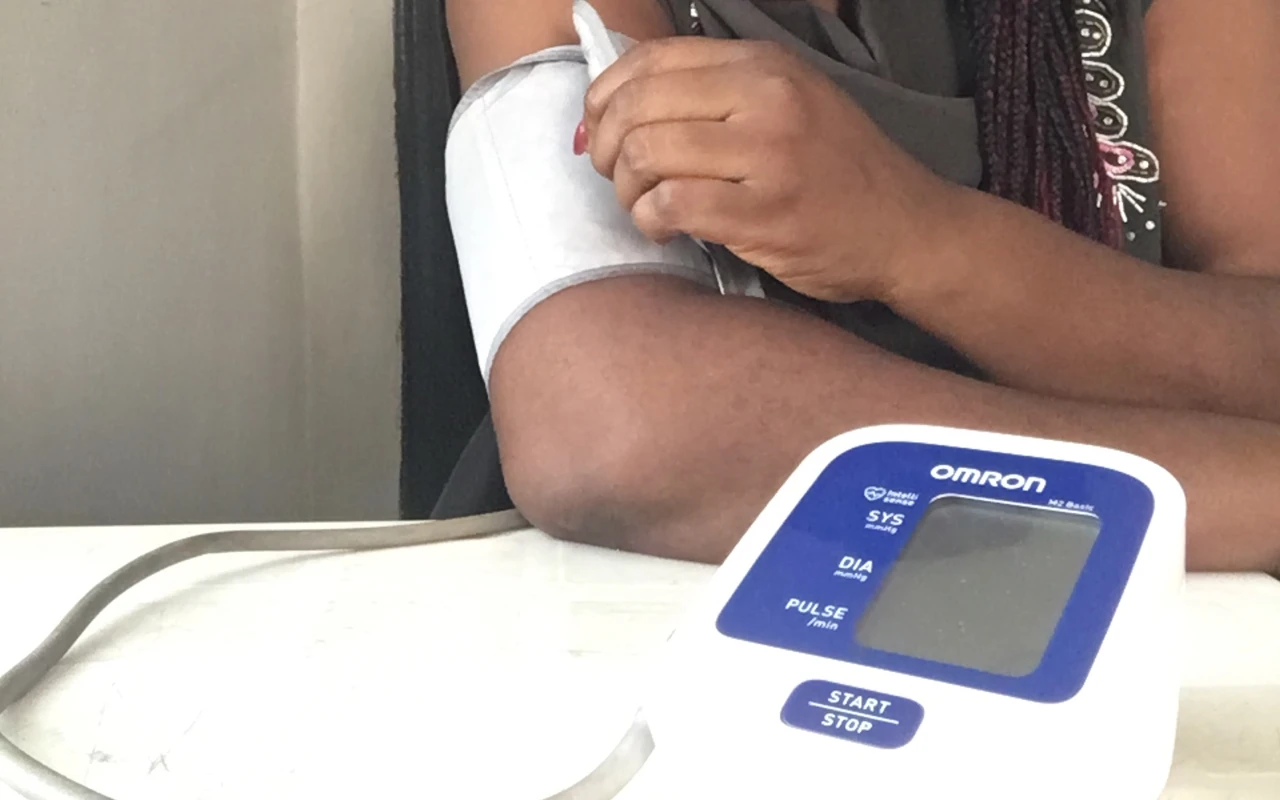
Agree on the purpose before you begin
A home monitor is most useful when you know what the care team wants to learn from it. Ask when to measure, how long to keep the record and how to send it. Decide who will review the results and what should prompt a call between appointments. Keeping those instructions beside the monitor can make the routine easier to follow. A growing collection of numbers is not a complete plan unless someone knows when and how it will be reviewed.
Check the equipment and your technique
The American Heart Association recommends a validated automatic upper-arm monitor with a cuff that fits. Bring the device to an appointment so a professional can check your technique and compare readings with office equipment. Keep the instructions accessible. If you share a monitor, confirm that the cuff is appropriate for each person and that stored readings can be distinguished. A practical label or separate written log can prevent confusion about whose measurement the care team is reviewing.
Set up the same way each time
CDC guidance recommends emptying your bladder, resting quietly for at least five minutes, supporting your back and keeping your feet flat with legs uncrossed. Place the cuff on bare skin and support the arm at chest height; remain silent during measurement. Avoid smoking, caffeine and exercise in the preceding 30 minutes. Arrange a chair and table where this is easy to repeat. Measuring while answering messages or rushing out the door makes a careful routine harder to maintain.
Record both readings
The AHA advises taking two readings one minute apart and recording the results. Ask the care team which times and frequency suit your situation. Include the date and time, and note practical problems such as an error message. Do not discard a result simply because it differs from the number you hoped to see. Ask how to handle unexpected readings and whether the practice prefers a paper log, device memory or a secure electronic submission.
Know when the log cannot wait
Home monitoring does not replace appointments, and the AHA advises against stopping blood-pressure medicine without checking with a health professional. If a reading exceeds 180 systolic or 120 diastolic, repeat after at least one minute; if still very high, contact your clinician immediately. With chest pain, breathlessness, weakness, vision changes or difficulty speaking, call 911 immediately rather than waiting for another reading. Establish your personal response instructions in advance, so the record supports timely care rather than delaying it.
Sources & references
Continue exploring
Related topic · Find a provider · Explore destinations

Destination profile
Inside Hippocrates Wellness: A Plant-Based Retreat in West Palm Beach
A closer look at the Florida campus, its 21-day Life Transformation Program, and the practical details of planning a residential wellness stay.

Program explainer
Cancer, Lyme Disease and Whole-Person Support: Inside Hippocrates Wellness
A closer look at the Florida destination’s cancer wellness and Lyme programs, their focus on daily life, and the evidence questions that matter when planning a stay.
Program profile
When Lyme Symptoms Linger: Inside Hippocrates Wellness’s Whole-Person Program
For people exploring support alongside medical care, the Florida destination brings nutrition, education, rest and daily routines into one residential setting.