Research explainer
Pregnancy Blood Pressure Readings and the Gap Before Diagnosis
A UK pregnancy study found high readings at home before some clinic diagnoses. The added measurements did little to change when clinicians recorded hypertension.
Two places to spot a change
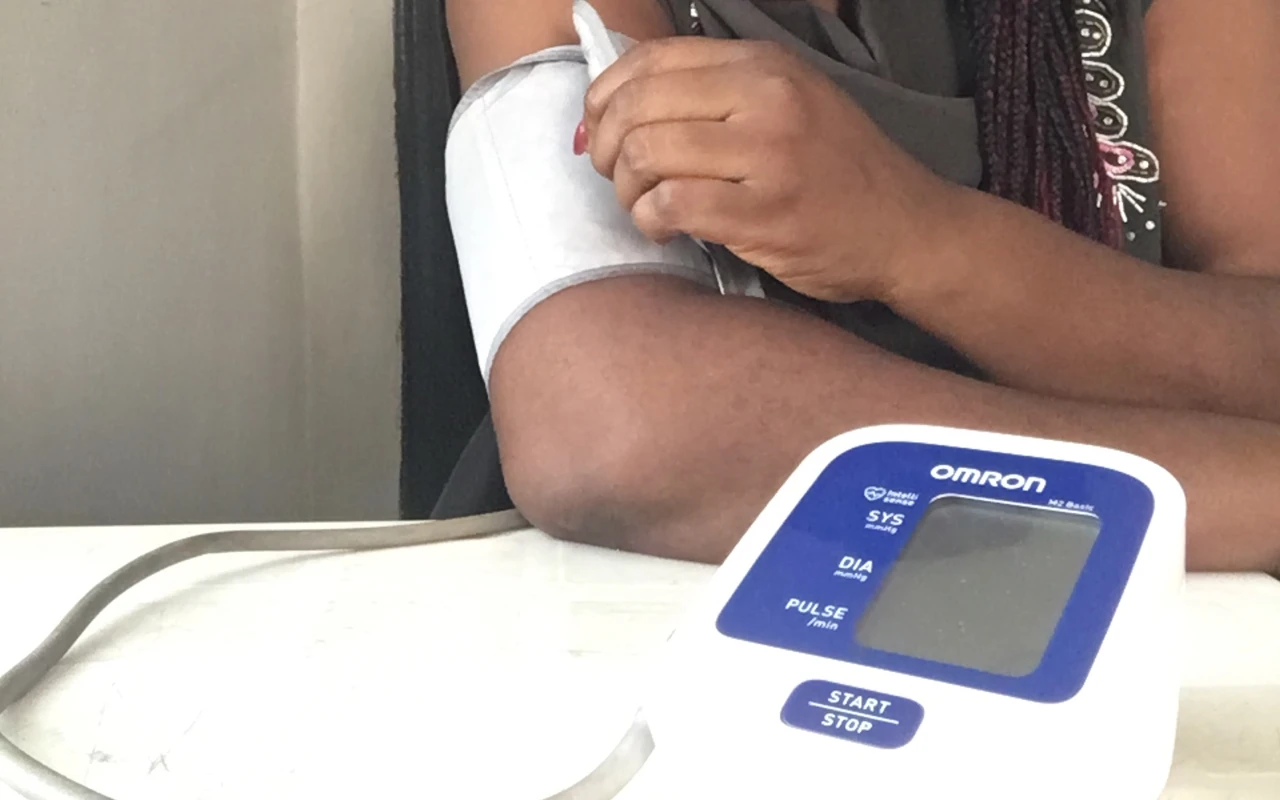
A home blood pressure monitor can record a rise between prenatal visits. Whether that reading changes the date a clinician identifies sustained high blood pressure is a separate question. A March 2026 report from the UK’s BUMP research programme revisits that distinction. In its largest trial, adding a cuff and phone-based reporting to routine pregnancy care yielded many extra observations. Yet the average time to a recorded diagnosis remained close to the time in usual care.
What counted as detection
The BUMP 1 investigators recruited 2,441 pregnant people at increased risk of preeclampsia. They enrolled around the middle of pregnancy and excluded people with an existing hypertension diagnosis. All continued prenatal care. Those randomly assigned to home monitoring received a device validated for pregnancy, instruction from a research midwife and access to the study app. Researchers started the clock at randomization. For their main comparison, they looked for evidence in the clinical record, such as repeated high readings documented by a professional or a recorded diagnosis. A single elevated home reading could prompt action but could not by itself satisfy that definition.
From the cuff to the maternity unit
Participants using the app were asked to measure on three days each week. A high reading prompted another measurement. If that too was high, the app asked the participant to contact the local maternity unit. Staff could see the measurements on a dashboard. Among 179 people in this group who developed clinic hypertension, 109 had recorded a high reading at home on or before the date of clinical detection. Across the randomized groups, the mean time from enrollment to clinical detection was about 104 days with the monitor and 106 days with usual care. The difference was statistically uncertain.
What a maternity team does with the number
The later programme report brings in the experiences of participants and clinicians. Some patients found the home information reassuring, while some professionals were reluctant to rely on it in care decisions. The researchers also acknowledged that some people receiving usual care measured their own pressure, which could narrow the contrast between groups. For a family offered monitoring, the study raises a practical question about the arrangement their maternity service provides. Who sees an uploaded reading, and when does the service expect the patient to call directly? In BUMP, a phone call and assessment were distinct steps after the measurement. The trial kept routine prenatal appointments in both groups, so its findings cannot establish the safety of replacing those visits with an app.
Sources & references
- Tucker and colleagues, JAMA (2022), BUMP 1 randomized trial
- McManus and colleagues, National Institute for Health and Care Research (2026), BUMP programme report
Continue exploring
Related topic · Find a provider · Explore destinations

Destination profile
Inside Hippocrates Wellness: A Plant-Based Retreat in West Palm Beach
A closer look at the Florida campus, its 21-day Life Transformation Program, and the practical details of planning a residential wellness stay.

Program explainer
Cancer, Lyme Disease and Whole-Person Support: Inside Hippocrates Wellness
A closer look at the Florida destination’s cancer wellness and Lyme programs, their focus on daily life, and the evidence questions that matter when planning a stay.
Program profile
When Lyme Symptoms Linger: Inside Hippocrates Wellness’s Whole-Person Program
For people exploring support alongside medical care, the Florida destination brings nutrition, education, rest and daily routines into one residential setting.