Practical guide
Perimenopause: Prepare for a More Useful Health Conversation
What to record, what to ask and why changes in midlife deserve an individual assessment.
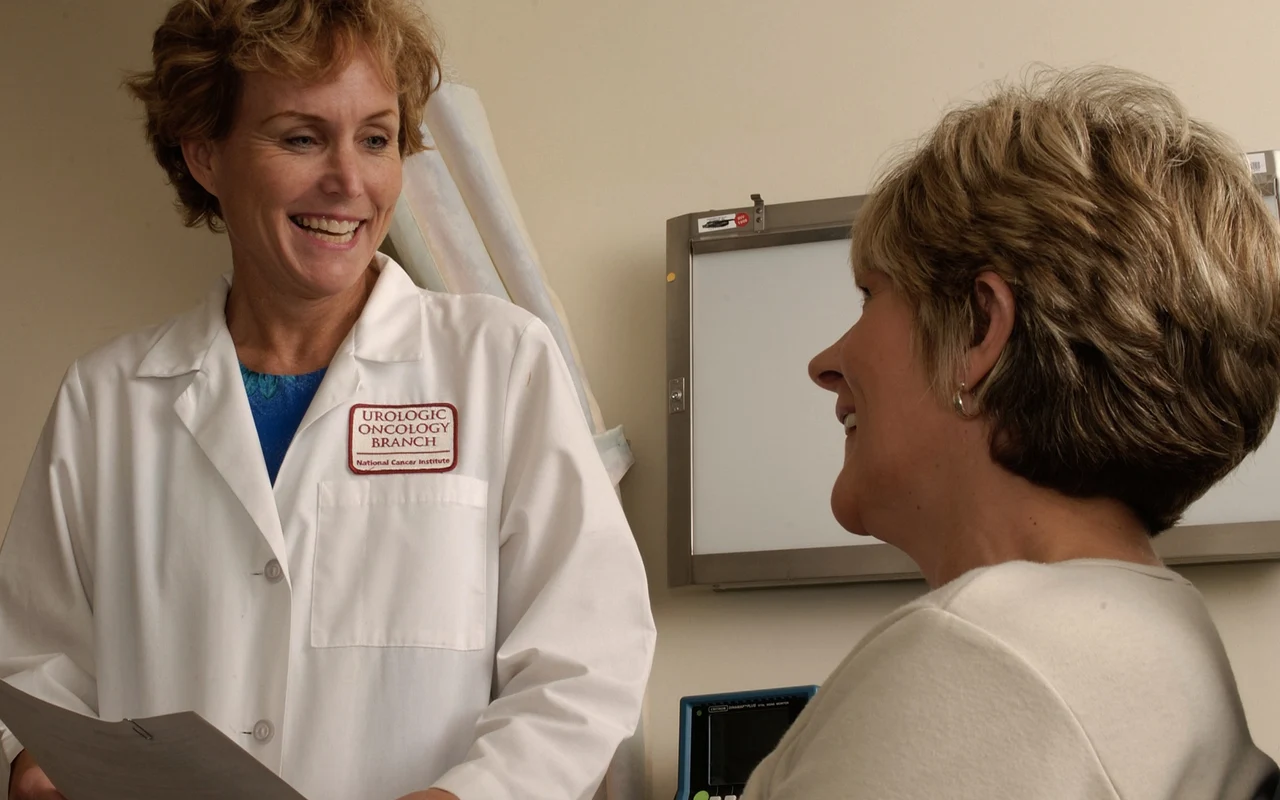
A transition can raise several questions
Changes in sleep, periods or comfort can arrive while work and family demands are already taking most of your attention. A useful perimenopause conversation begins with the changes affecting your own life. You do not need to experience every symptom on a checklist before raising a concern. Nor should you have to decide the explanation yourself before asking for an appointment. The purpose of the visit is to make sense of the pattern with qualified help.
Understand the terms
The Office on Women’s Health describes perimenopause as the transition leading up to menopause, during which hormone levels can fluctuate and periods can become irregular. Menopause is identified after 12 consecutive months without a menstrual period in the usual natural transition. Experiences differ: some people have few symptoms, while others find them disruptive. A clinician can consider your circumstances and other possible explanations for changes rather than treating age alone as a diagnosis.
Keep a record you can actually use
For a practical visit-preparation exercise, note period dates if relevant, changes in sleep, episodes of feeling unusually hot and the concerns that matter most to you. Record what is happening and how it affects the day, without trying to interpret hormone levels from the notes. Bring your current medicines and supplements list. If tracking feels burdensome, a few clear examples are a reasonable starting point. The goal is a useful conversation, not a perfect dataset.
Ask about choices in relation to your priorities
The Office on Women’s Health describes several approaches for bothersome symptoms, including medical treatments whose suitability depends on the individual. Ask which options address your particular concern, what benefits and risks to consider, and when the response should be reviewed. A treatment that helps one symptom may not answer every question. Describe preferences and practical constraints, including costs and access, so the discussion leads to a plan you understand.
Do not explain away unexpected bleeding
Bleeding after menopause should be assessed by a health care professional; the Office on Women’s Health says it is not normal and can indicate a serious problem. Other unexpected or concerning changes also deserve attention rather than being automatically attributed to the transition. At the end of a visit, confirm what to monitor, when to contact the practice and when follow-up is planned. Care through a life stage should remain responsive to the person experiencing it.
Sources & references
Continue exploring
Related topic · Find a provider · Explore destinations

Destination profile
Inside Hippocrates Wellness: A Plant-Based Retreat in West Palm Beach
A closer look at the Florida campus, its 21-day Life Transformation Program, and the practical details of planning a residential wellness stay.

Program explainer
Cancer, Lyme Disease and Whole-Person Support: Inside Hippocrates Wellness
A closer look at the Florida destination’s cancer wellness and Lyme programs, their focus on daily life, and the evidence questions that matter when planning a stay.
Program profile
When Lyme Symptoms Linger: Inside Hippocrates Wellness’s Whole-Person Program
For people exploring support alongside medical care, the Florida destination brings nutrition, education, rest and daily routines into one residential setting.