Practical guide
Prepare for a Telehealth Visit Before the Camera Turns On
A practical guide to making room for a clear, private conversation with your care team.
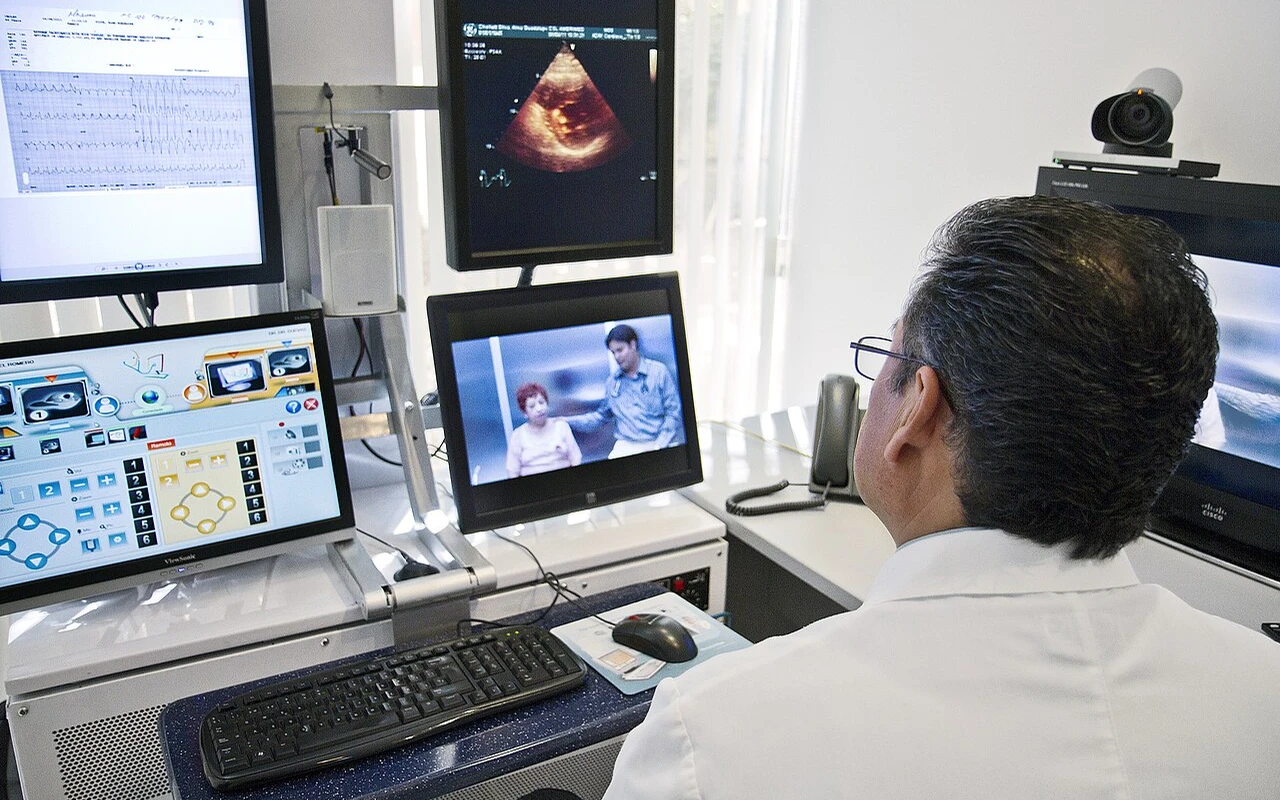
Start with the appointment itself
A video appointment can remove a journey while adding a different kind of preparation. Before focusing on the camera, confirm what the visit is intended to cover. Is it a follow-up conversation, a review of results or an assessment of a new concern? Write that purpose beside the appointment time. If you are unsure whether the issue can be addressed remotely, ask the practice beforehand. Knowing the scope helps you arrive with useful questions rather than assumptions about what the screen can replace.
Make the connection familiar
HHS recommends checking the practice’s instructions, testing the device and finding a quiet location with reliable internet. Open the appointment message ahead of time, check whether an application is needed and locate the microphone controls. Set the device on a stable surface where your face is visible. A short practice call can reveal poor sound or awkward lighting before the visit begins. Keep the office telephone number nearby so a connection problem does not leave you wondering whom to contact.
Protect space for a private conversation
Think about who could overhear you, not just who appears on screen. HHS advises choosing somewhere you can speak freely and using the patient portal to exchange information securely. In a shared home, arranging an uninterrupted room may take more planning than charging a device. If someone will assist you, discuss their role beforehand and tell the clinician who is present. Do not assume a quiet corner of a public place offers the privacy needed for a personal discussion.
Bring a short, usable agenda
Choose the two or three questions you most want answered and put them within reach. Have an accurate medicine list and any readings the practice specifically requested available, rather than searching for them during the call. Ask ahead about captioning, interpretation or other access needs, and confirm the expected cost. A simple note page with space beneath each question makes it easier to record answers. You do not need an elaborate presentation; you need information you can find while listening.
Close with a plan you can repeat
Before ending the call, describe the next steps in your own words and ask the clinician to correct anything you misunderstood. Clarify whether you need an in-person examination, a test, a prescription follow-up or another appointment. Ask how to obtain the visit summary and where to send questions that arise later. Put responsibilities next to each task: what you will arrange, what the practice will arrange and when you should expect contact. A working plan matters more than a technically perfect call.
Sources & references
Continue exploring
Related topic · Find a provider · Explore destinations

Destination profile
Inside Hippocrates Wellness: A Plant-Based Retreat in West Palm Beach
A closer look at the Florida campus, its 21-day Life Transformation Program, and the practical details of planning a residential wellness stay.

Program explainer
Cancer, Lyme Disease and Whole-Person Support: Inside Hippocrates Wellness
A closer look at the Florida destination’s cancer wellness and Lyme programs, their focus on daily life, and the evidence questions that matter when planning a stay.
Program profile
When Lyme Symptoms Linger: Inside Hippocrates Wellness’s Whole-Person Program
For people exploring support alongside medical care, the Florida destination brings nutrition, education, rest and daily routines into one residential setting.