Practical guide
Prepare for Your Next Eye Examination
A little preparation can help you explain vision changes, understand the examination and arrange a comfortable trip home.
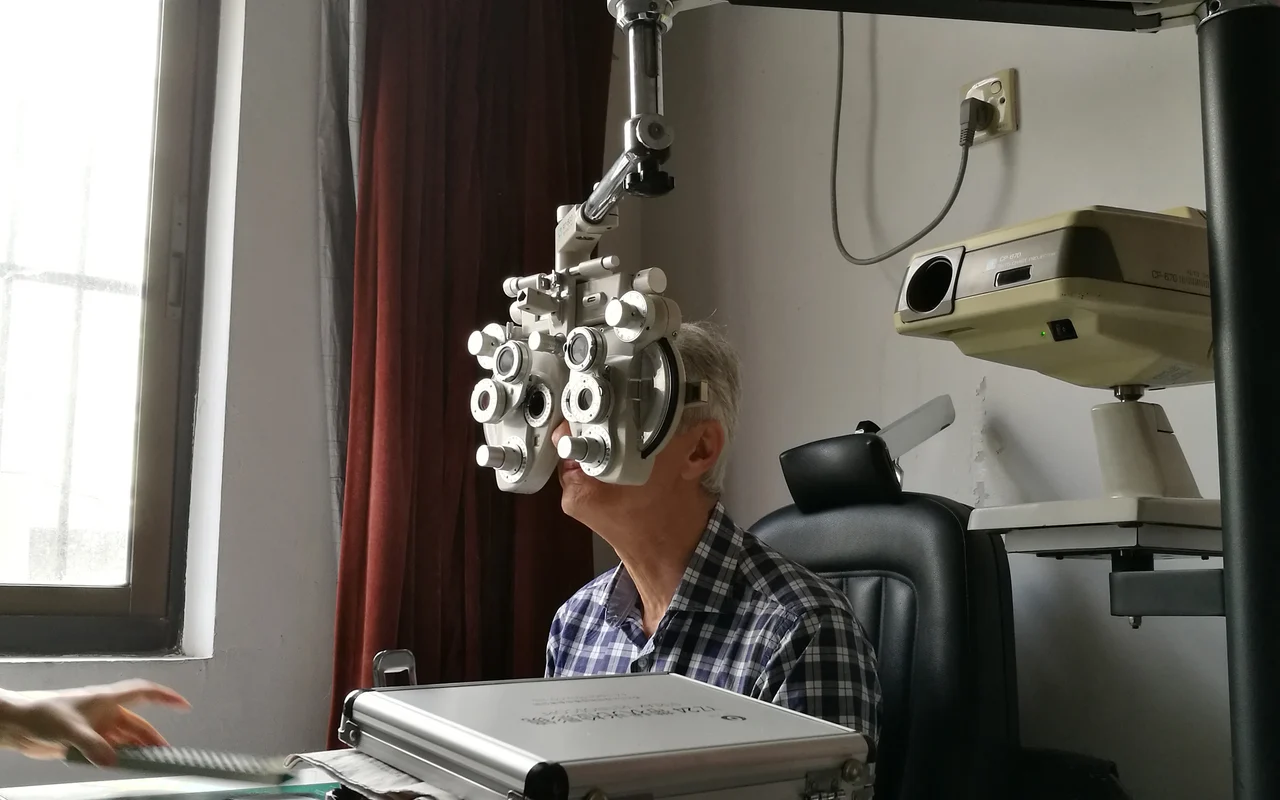
Bring specific observations
An eye appointment is easier to use when you can describe what has changed. Before the visit, note which activities have become difficult and when you first noticed the problem. Reading a label, seeing a street sign or coping with glare are more specific descriptions than simply saying your vision seems different. Write down the questions you most want answered and bring your current glasses. Ask the office in advance about any instructions relevant to your appointment.
Understand why dilation matters
Seeing clearly does not rule out eye disease. The National Eye Institute explains that some eye conditions develop without obvious early symptoms. Drops that widen the pupil allow the clinician to examine structures inside the eye. A comprehensive examination can also assess how clearly you see, your side vision, eye pressure and other aspects of eye function. The tests included depend on your needs. Ask what each test is intended to show and whether any further testing will be necessary.
Ask for a schedule that fits your risks
The appropriate interval between dilated examinations depends on individual risk. Age, family history and conditions such as diabetes can affect that discussion. Ask your eye care professional when you should return and what changes would justify contacting the office sooner. Put the agreed date in your calendar while it is still fresh. If several clinicians are involved in your care, ask how the eye examination findings will reach the people who need them.
Prepare for the hours after the visit
Dilation can leave vision blurry and increase sensitivity to light for several hours. The National Eye Institute advises arranging for a friend or family member to drive you home and bringing sunglasses. Plan the appointment with those temporary effects in mind rather than scheduling a task requiring clear close-up vision immediately afterward. Ask the office how long the visit itself may take. Making these arrangements beforehand can remove a practical obstacle to completing the examination.
Leave with answers you can use
If a condition is found, ask what it means for your vision, which treatments are available and what happens next. Request written instructions or take notes so details are not lost after the conversation. A trusted companion can help listen or record the main points with you. Confirm when results will arrive and whom to contact with questions. If the clinician uses an unfamiliar term, ask for an explanation before leaving. The goal is a clear understanding of both the findings and your next step.
Sources & references
Continue exploring
Related topic · Find a provider · Explore destinations

Destination profile
Inside Hippocrates Wellness: A Plant-Based Retreat in West Palm Beach
A closer look at the Florida campus, its 21-day Life Transformation Program, and the practical details of planning a residential wellness stay.

Program explainer
Cancer, Lyme Disease and Whole-Person Support: Inside Hippocrates Wellness
A closer look at the Florida destination’s cancer wellness and Lyme programs, their focus on daily life, and the evidence questions that matter when planning a stay.
Program profile
When Lyme Symptoms Linger: Inside Hippocrates Wellness’s Whole-Person Program
For people exploring support alongside medical care, the Florida destination brings nutrition, education, rest and daily routines into one residential setting.