Practical guide
Review the Routes You Walk at Home for Fall Hazards
A practical way to turn a safety checklist into specific changes around the house.
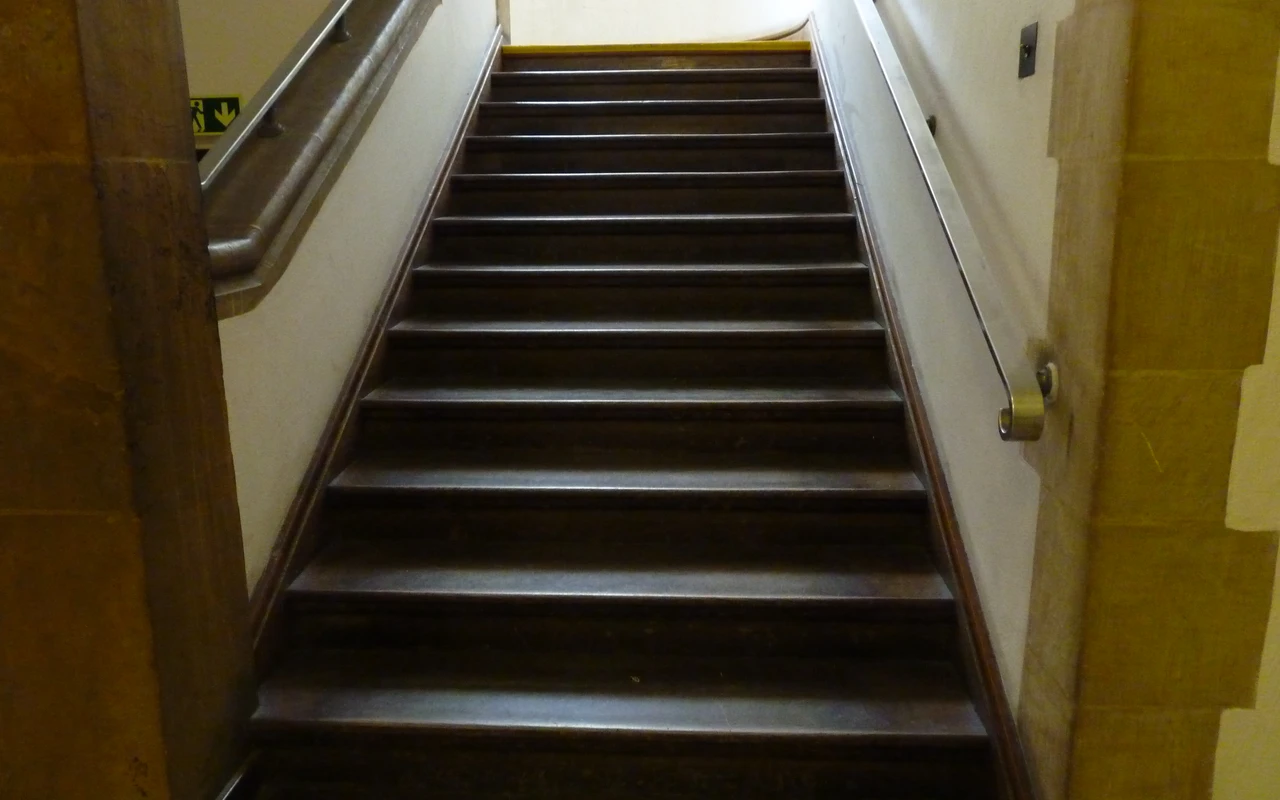
Start with a route, not a whole house
A home review becomes more manageable when it follows a familiar journey: the bed to the bathroom, the front door to the kitchen or the stairs to a bedroom. Ask the person who uses that route what feels difficult. Do not assume a visitor will notice the same obstacles. CDC recommends removing trip hazards, improving lighting, adding bathroom grab bars and putting railings on both sides of stairs. Walking through one route gives those broad recommendations a concrete place to start.
Notice what interrupts the path
Look for objects that require stepping around, reaching across or changing direction unexpectedly. A bag that is easy to see in daylight may be harder to notice during a nighttime trip. Move routine storage away from the walking route and decide where frequently dropped items should go instead. The aim is a usable path that stays clear after the review ends. Ask before rearranging someone else’s home: a change should make daily life easier, not make familiar surroundings confusing.
Review light and support together
Check whether the route can be lit before someone starts walking along it. On stairs, look at the railings as well as the steps, and arrange qualified help for loose fittings or needed installation. In bathrooms, discuss properly installed grab bars near the toilet and bathing area. Avoid treating an object that happens to be nearby as reliable support. The accompanying staircase photograph illustrates handrails; it is not a certification that every feature of the pictured setting meets someone’s safety needs.
Include the person’s health in the review
A clearer floor cannot address every reason someone might fall. CDC advises asking a healthcare professional to assess fall risk and reviewing medicines that may cause dizziness or sleepiness. Vision and suitable strength-and-balance activity also belong in the conversation. Bring up falls, near-falls and situations that feel unsteady, even if no injury occurred. Describe the circumstances rather than assigning a cause yourself. That gives the care team a better starting point for deciding what should be assessed next.
Turn observations into named tasks
Finish with a short list that separates immediate changes from work needing assistance. For each item, record who will handle it and when it will be checked again. Moving a bag today is different from arranging a railing repair next week; both need a clear owner. Revisit the route after changes, ideally with the person who uses it. The goal is practical support for everyday independence, not a promise that a checklist can eliminate all falls or replace an individual assessment.
Sources & references
Continue exploring
Related topic · Find a provider · Explore destinations

Destination profile
Inside Hippocrates Wellness: A Plant-Based Retreat in West Palm Beach
A closer look at the Florida campus, its 21-day Life Transformation Program, and the practical details of planning a residential wellness stay.

Program explainer
Cancer, Lyme Disease and Whole-Person Support: Inside Hippocrates Wellness
A closer look at the Florida destination’s cancer wellness and Lyme programs, their focus on daily life, and the evidence questions that matter when planning a stay.
Program profile
When Lyme Symptoms Linger: Inside Hippocrates Wellness’s Whole-Person Program
For people exploring support alongside medical care, the Florida destination brings nutrition, education, rest and daily routines into one residential setting.