Research explainer
What Patients Notice When They Read Their Visit Notes
Two studies followed what happened when patients read the account of their own care. Medication lists and medical histories gave them particular grounds to speak up.
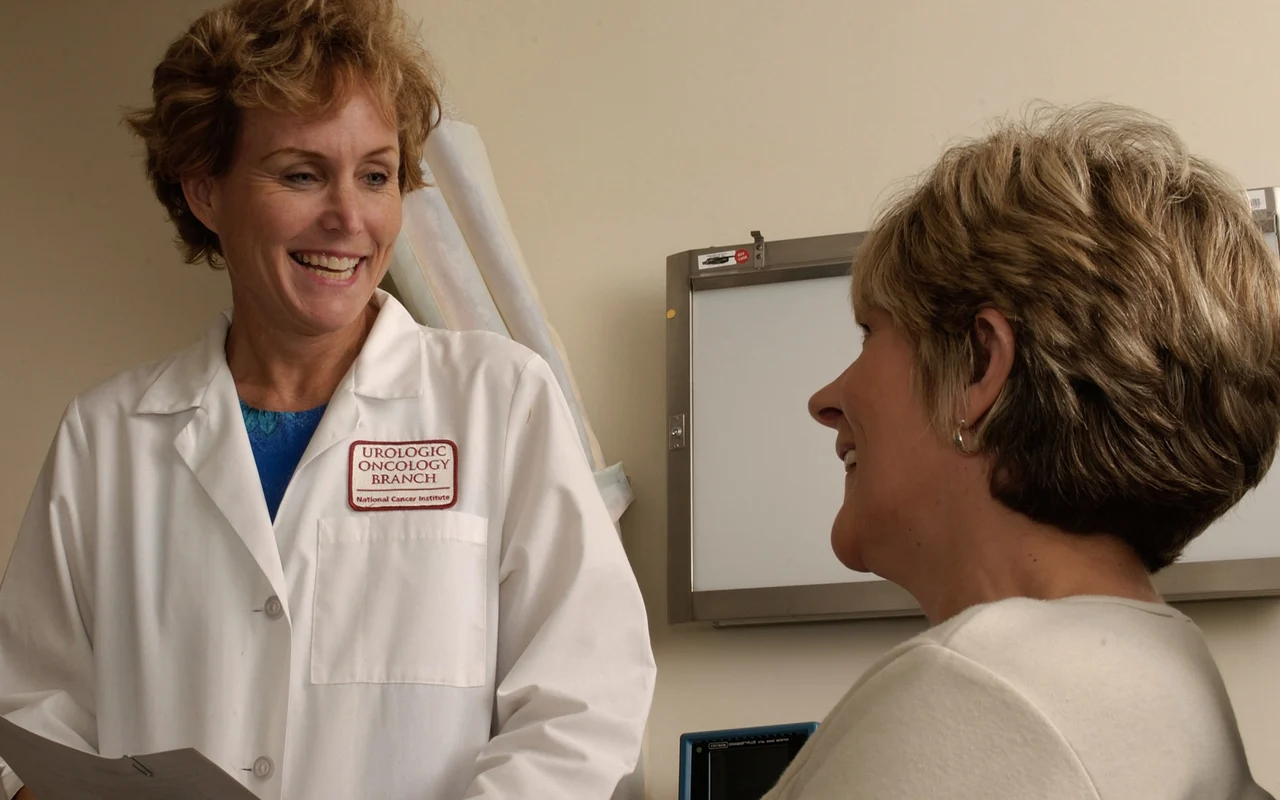
Two people remember the same visit
A doctor may know why a medicine appears on a chart. The person who goes home after the visit knows whether they still take it. When those accounts differ, the note can give them something specific to discuss before another clinician has to rely on it. A pair of studies by Sigall Bell and colleagues examined both sides of that exchange. One asked what patients noticed. The other followed what happened when a clinic gave readers a way to flag a concern.
What one in five actually counted
In the larger study, published in 2020, researchers surveyed patients at three US health systems. Among 22,889 respondents who had read at least one outpatient note in the preceding year and answered the questions about errors, roughly one in five recalled a mistake. Among those who perceived a mistake, about two in five rated it at least somewhat serious. The unit being counted matters. A person who reads four notes and finds a single discrepancy counts once, just as a person who reads one note and spots several problems counts once. The survey therefore cannot tell us how many notes in a hundred contain an error. Participation was voluntary, and the researchers did not independently verify each reported mistake. The written descriptions show where a patient’s own knowledge can matter. In the subset of very serious concerns the authors classified, diagnoses and medical history featured prominently. People also described problems with the record of medicines and allergies. A patient who recognizes the name of an illness in a family member’s history, for example, has grounds to ask whose history the clinician meant to record.
What happened after a reader spoke up
An earlier pilot made the next step visible. Patients could follow a link at the foot of a note to send feedback. Patient relations staff reviewed reports and passed potential safety issues to clinicians. Of the cases confirmed with patients, 57 percent resulted in a change to the record or care. That figure describes a selected group of cases that reached review. It cannot establish how often opening a portal prevents harm. For a reader trying to resolve a discrepancy, a useful message identifies the visit date, the entry in question and the fact the team can check. An outdated medication list and a disagreement about the meaning of a test call for different conversations. Naming the difference gives the office a chance to correct a fact or explain its reasoning, and gives the patient a specific answer to look for.
Sources & references
- Bell and colleagues, patient-reported mistakes in outpatient notes (2020)
- Bell and colleagues, the OpenNotes feedback pilot (2017)
Continue exploring
Related topic · Find a provider · Explore destinations

Destination profile
Inside Hippocrates Wellness: A Plant-Based Retreat in West Palm Beach
A closer look at the Florida campus, its 21-day Life Transformation Program, and the practical details of planning a residential wellness stay.

Program explainer
Cancer, Lyme Disease and Whole-Person Support: Inside Hippocrates Wellness
A closer look at the Florida destination’s cancer wellness and Lyme programs, their focus on daily life, and the evidence questions that matter when planning a stay.
Program profile
When Lyme Symptoms Linger: Inside Hippocrates Wellness’s Whole-Person Program
For people exploring support alongside medical care, the Florida destination brings nutrition, education, rest and daily routines into one residential setting.