Practical guide
Add Dietary Fiber One Meal at a Time
Use familiar foods and the Nutrition Facts label to make gradual, practical changes to your meals.
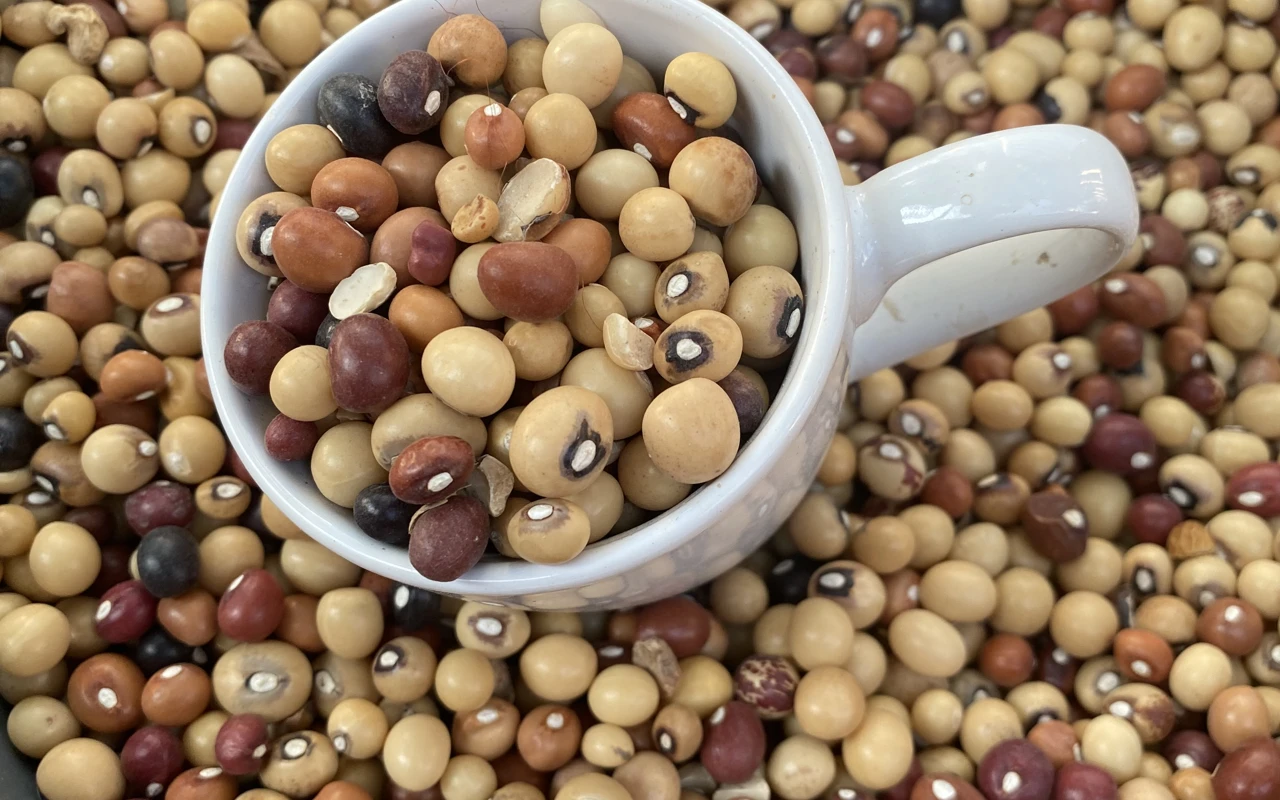
Begin with a meal you already eat
Adding fiber does not require replacing every item in the kitchen. Start by looking at a familiar meal and asking where a fiber-containing food could fit comfortably. Breakfast, a packed lunch or a regular soup can each provide a starting point. Choose an option you enjoy and can obtain reliably. The useful question is not whether a meal looks like a wellness advertisement, but whether the change works with your budget, appetite and normal routine.
Choose a small addition
NIDDK lists legumes, whole grains, fruits, vegetables and nuts among sources of dietary fiber. It advises increasing fiber gradually, allowing the body time to adjust. For a simple planning exercise, consider adding some lentils to a soup or choosing oatmeal for a breakfast you already prepare. Pick one change first rather than adding several unfamiliar products at once. Keep the shopping note concrete: name the food and the meal where you expect to use it.
Compare labels on equal terms
The FDA explains that the nutrient amounts on a Nutrition Facts label refer to the stated serving size. When comparing two packaged foods, check that size before comparing fiber grams. A larger listed serving can make a product appear to provide more. The percentage Daily Value offers another reference, but it does not replace an individualized eating plan. Look at the whole label, including sodium and added sugars, instead of treating the largest fiber number as the only consideration.
Keep the experiment manageable
Try writing a short food note for a few days: what changed, whether you enjoyed it and whether it was easy to prepare. This is a practical record, not a diagnostic test or a reason to turn every meal into arithmetic. A bag of ingredients that never gets opened is less useful than a modest change you repeat. If a choice proves inconvenient, change the preparation or choose another food rather than assuming the entire approach has failed.
Match the plan to your circumstances
NIDDK recommends adequate liquids to help fiber work and advises asking a health professional about fluid needs, which depend on health and other circumstances. A registered dietitian can help tailor the amount and food choices. If you already follow a prescribed diet or fluid limit, bring that plan into the discussion rather than overriding it with a general tip. Persistent digestive concerns deserve their own assessment. The goal is a workable eating pattern, not forcing a food that repeatedly causes difficulty.
Sources & references
- NIDDK — Eating, Diet, & Nutrition for Constipation
- FDA — How to Understand and Use the Nutrition Facts Label
Continue exploring
Related topic · Find a provider · Explore destinations

Destination profile
Inside Hippocrates Wellness: A Plant-Based Retreat in West Palm Beach
A closer look at the Florida campus, its 21-day Life Transformation Program, and the practical details of planning a residential wellness stay.

Program explainer
Cancer, Lyme Disease and Whole-Person Support: Inside Hippocrates Wellness
A closer look at the Florida destination’s cancer wellness and Lyme programs, their focus on daily life, and the evidence questions that matter when planning a stay.
Program profile
When Lyme Symptoms Linger: Inside Hippocrates Wellness’s Whole-Person Program
For people exploring support alongside medical care, the Florida destination brings nutrition, education, rest and daily routines into one residential setting.