Practical guide
Compare Sodium Labels Before You Compare Packages
Serving size and sodium per portion can make similar foods easier to compare.
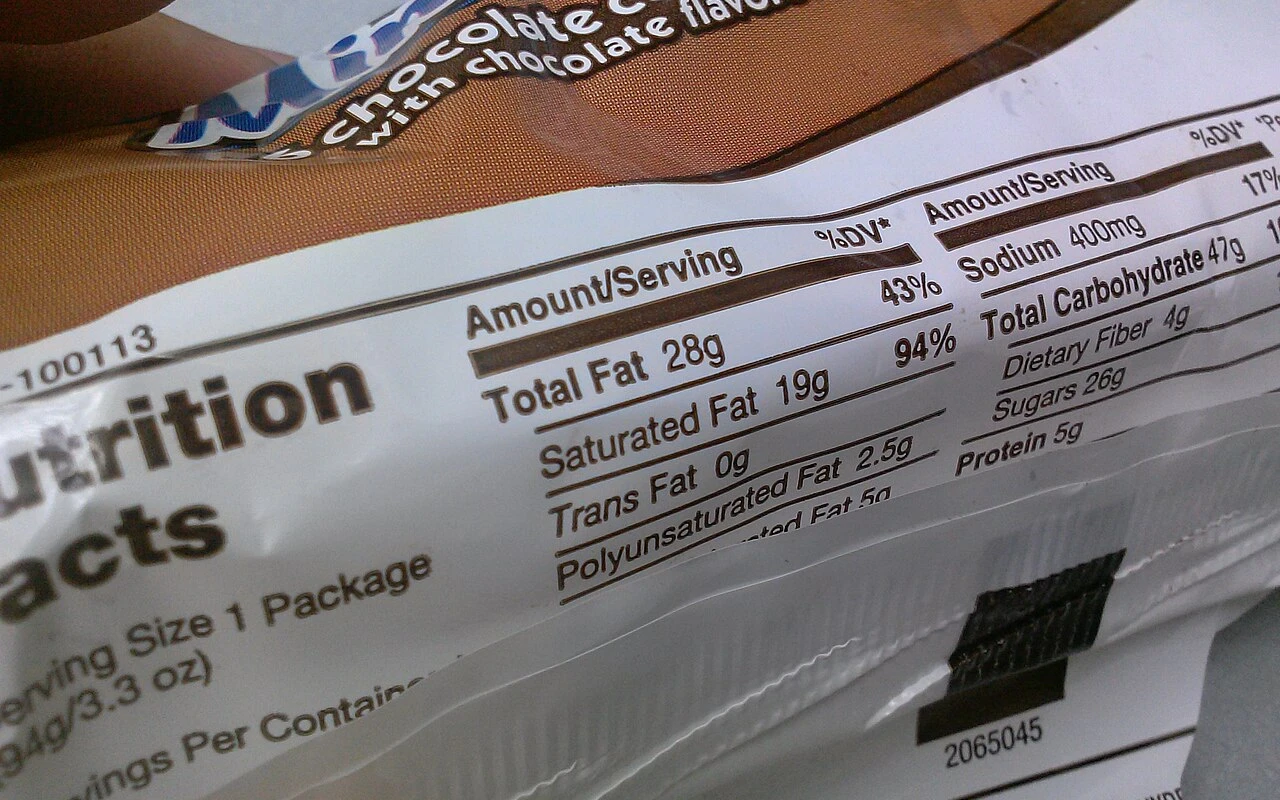
Begin with a food you buy often
A useful sodium comparison starts with an ordinary purchase: soup for lunch, bread for sandwiches or a sauce used several nights a week. Choose one familiar category rather than trying to redesign an entire grocery list at once. Put two plausible alternatives side by side. The question is whether a product you would actually eat offers less sodium for a comparable portion. Price, taste and convenience still matter, because a replacement that stays unopened will not change your usual meals.
Read the serving size first
The sodium number usually describes one labeled serving, not necessarily everything in the container. FDA advises checking both serving size and how many servings you consume. Compare like amounts before deciding that one package is lower. For an illustrative example, 300 milligrams in half a cup becomes 600 milligrams in a full cup. That arithmetic is a comparison tool, not a recommendation for how much to eat. Write down the portion you expect to use when packages divide their contents differently.
Use the percentage as a quick guide
FDA identifies 5 percent Daily Value or less per serving as low in sodium and 20 percent or more as high. The sodium Daily Value is 2,300 milligrams; it is a labeling reference, not a personalized treatment target. Someone with an individualized plan should use the amount agreed with their clinician. Looking at milligrams alongside the percentage makes the label less abstract. It also prevents a small serving from making a product look more useful than it is in your meal.
Check the meal around the package
Sodium can accumulate across several ingredients even when no single item seems remarkable. Consider how the food will be served: bread, filling, dressing and an accompaniment all belong in the same comparison. FDA notes that foods need not taste salty to contain sodium, so taste alone cannot settle the question. Instead of banning a favorite ingredient, examine which part of a familiar meal offers a practical alternative. Keep the calculation simple enough that you can repeat it on the next shopping trip.
Make one comparison worth keeping
Save a note about the products and portions you compared, then judge the replacement after preparing it. Did it work in the recipe? Was the price manageable? Would another household member eat it? Those answers help turn label reading into a repeatable decision. A front-of-package claim is a starting point; the Nutrition Facts panel provides the serving information needed to assess it. For current decisions, use the label on the product in hand—the photograph accompanying this article shows an older package format.
Sources & references
Continue exploring
Related topic · Find a provider · Explore destinations
Destination profile
Inside Hippocrates Wellness: A Plant-Based Retreat in West Palm Beach
A closer look at the Florida campus, its 21-day Life Transformation Program, and the practical details of planning a residential wellness stay.

Program explainer
Cancer, Lyme Disease and Whole-Person Support: Inside Hippocrates Wellness
A closer look at the Florida destination’s cancer wellness and Lyme programs, their focus on daily life, and the evidence questions that matter when planning a stay.
Program profile
When Lyme Symptoms Linger: Inside Hippocrates Wellness’s Whole-Person Program
For people exploring support alongside medical care, the Florida destination brings nutrition, education, rest and daily routines into one residential setting.