Practical guide
Find Whole Grains in the Ingredient List
A practical way to compare breads, cereals and other grain foods without relying on package color or front-label promises.
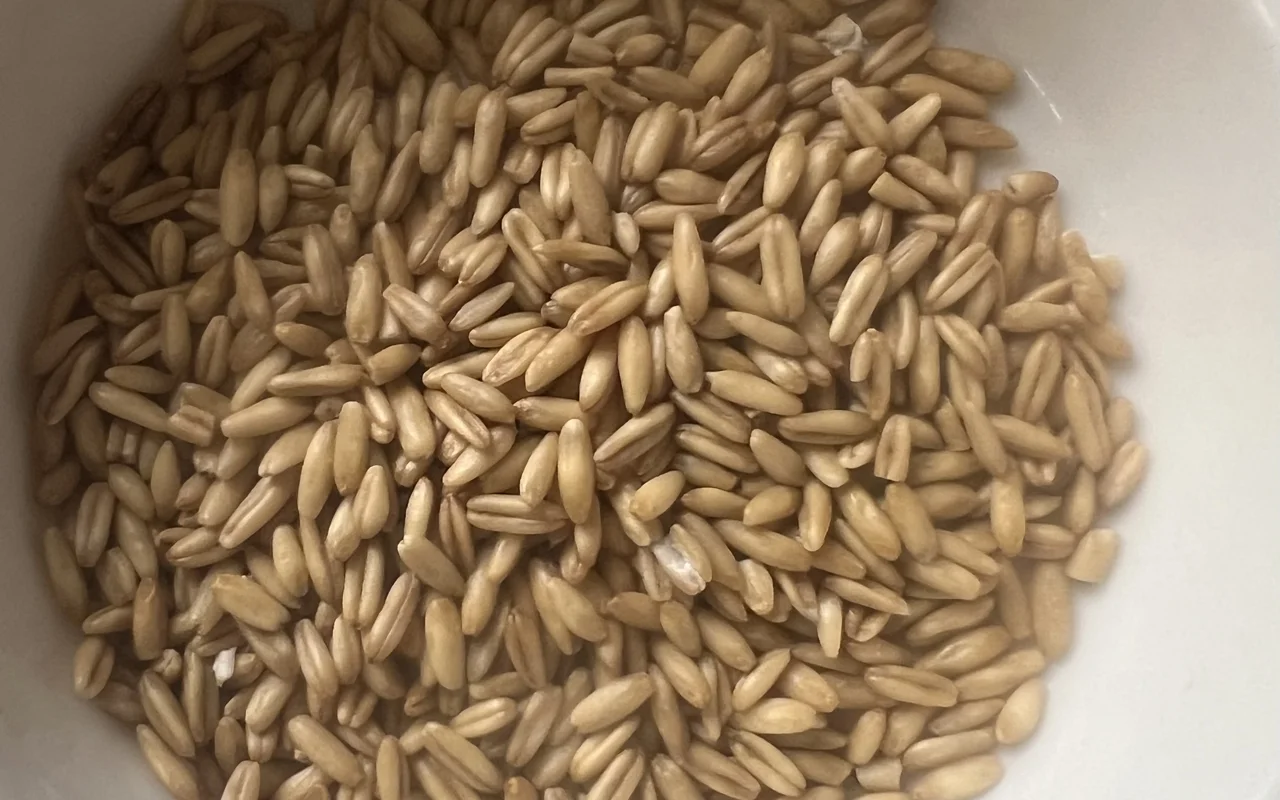
Turn the package over
A brown loaf, a scattering of seeds and the word multigrain can make a package look like an obvious whole-grain choice. The ingredient list is a better place to check. University of Illinois Extension advises looking for whole wheat flour or a whole-grain ingredient near the beginning of the list, rather than judging bread by its appearance. Whole and refined grains can appear in the same product. A label that includes whole wheat flour farther down may describe a mixture. Multigrain tells you that more than one grain is present; it does not establish that those grains are whole.
Read the order as well as the names
The FDA explains that ingredients are generally listed by predominance in weight, with the largest amount first. That makes the opening ingredients useful when comparing two packages. Look for the actual grain name and whether it is described as whole, rather than treating wheat flour and whole wheat flour as interchangeable. Ingredient order does not give you the exact percentage of every ingredient. It can help answer what the product is made mainly from, but it cannot turn the package into a complete recipe. If the front says one thing and the list leaves you uncertain, choose a product whose composition is easier to understand.
Use the nutrient panel for a different question
After checking the grains, compare the Nutrition Facts panels. The FDA recommends choosing foods with more dietary fiber and less sodium, added sugars and saturated fat more often. A whole-grain ingredient does not make those other entries irrelevant. Keep the portions being compared in view. A small serving of one cereal and a large serving of another do not make a straightforward comparison. Decide which qualities matter for your usual meal rather than declaring a winner from one number alone. The ingredient list describes composition; the nutrient panel helps you judge how a serving fits.
Choose a change you will use
Try the comparison with one food you already buy regularly. That might mean finding a whole-grain bread for the sandwiches you pack, or checking the oats you use at breakfast. The practical test comes after shopping: is the food enjoyable, affordable and easy enough to prepare that it gets eaten? You do not need to replace every grain in the kitchen at once. Keep a note of the product that worked, and use the same label-reading sequence on the next purchase: grain identity, ingredient order, then the nutrient panel.
Sources & references
- University of Illinois Extension: Grains
- FDA: Types of Food Ingredients
- FDA: Using the Nutrition Facts Label and MyPlate
Continue exploring
Related topic · Find a provider · Explore destinations
Destination profile
Inside Hippocrates Wellness: A Plant-Based Retreat in West Palm Beach
A closer look at the Florida campus, its 21-day Life Transformation Program, and the practical details of planning a residential wellness stay.

Program explainer
Cancer, Lyme Disease and Whole-Person Support: Inside Hippocrates Wellness
A closer look at the Florida destination’s cancer wellness and Lyme programs, their focus on daily life, and the evidence questions that matter when planning a stay.
Program profile
When Lyme Symptoms Linger: Inside Hippocrates Wellness’s Whole-Person Program
For people exploring support alongside medical care, the Florida destination brings nutrition, education, rest and daily routines into one residential setting.