Practical guide
Give Beans and Lentils a Regular Place at the Table
Choose the preparation that fits your time, then turn familiar beans and lentils into practical meals with variety and flavor.
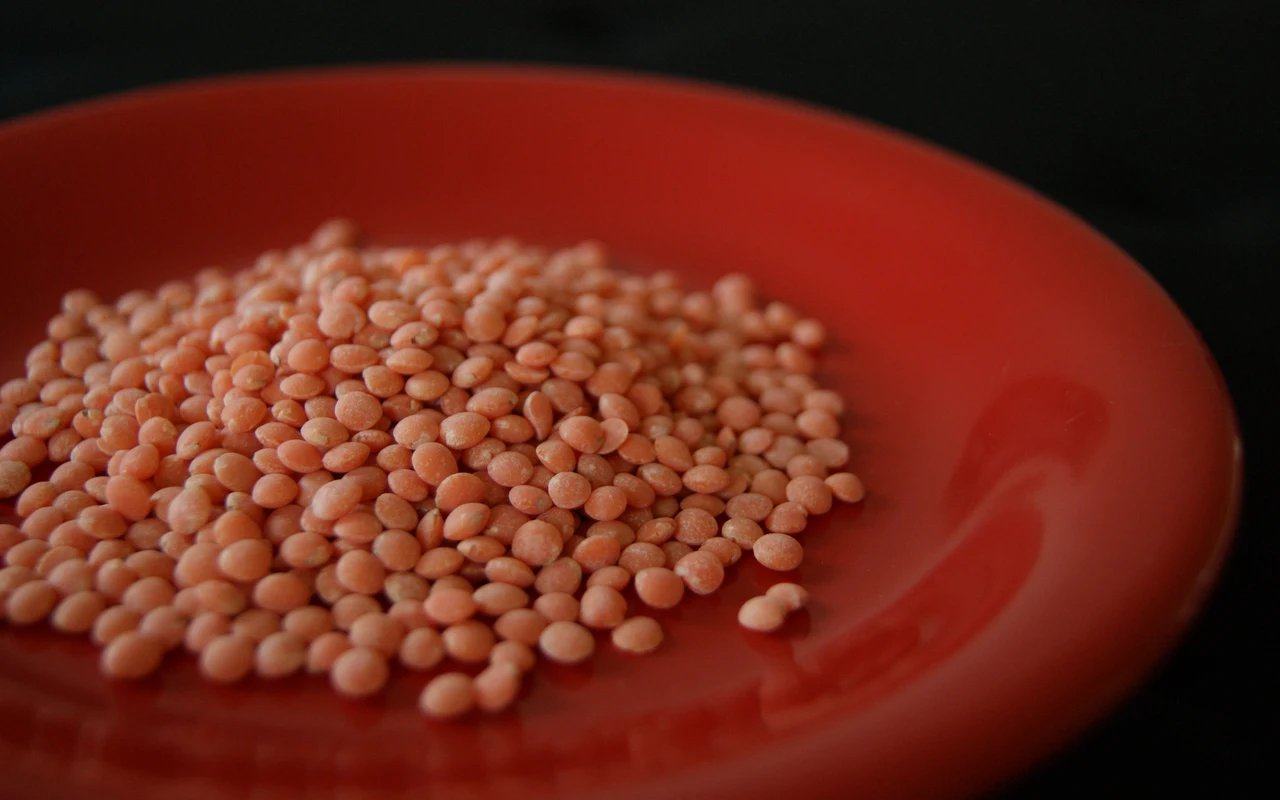
Start with the meal you already make
A can of beans or a bag of lentils becomes useful when it has a job in dinner. Think about the meals you already cook: a soup that could take white beans, a rice bowl with black beans, or a vegetable stew with lentils. Adding one dependable option is more practical than stocking several unfamiliar ingredients with no plan for using them. Beans, peas and lentils provide plant protein along with fiber and other nutrients. They can fit meals that include animal foods as well as vegetarian eating patterns. There is no need to adopt a new dietary identity to cook them more often.
Choose convenience deliberately
Canned beans are already cooked. Dried beans generally cost less, but many need soaking and a longer cooking period. Dried lentils and split peas usually do not need soaking, making them another option when you want to start from a dry ingredient. Follow the package or a reliable recipe for the particular variety. For canned beans, compare labels and look for lower-sodium or no-salt-added choices. Drain and rinse them before adding to a recipe where appropriate. Decide what convenience is worth in your own kitchen: a slightly more expensive ingredient that gets eaten may serve you better than a cheaper bag that never leaves the cupboard.
Use texture and flavor to build variety
Beans are not interchangeable in every respect, but many can substitute for one another in familiar recipes. Chickpeas can bring substance to a salad; mashed beans can become a spread; lentils can form the base of a soup. Choose a combination that sounds appealing rather than treating the ingredient as something to endure. For a simple meal framework, pair cooked pulses with vegetables and a grain or another starchy food, then add a seasoning you enjoy. Rotate the vegetables and seasonings instead of learning an entirely new recipe each time. These are meal-building ideas, not a prescribed diet or a promise of a particular health result.
Keep the broader eating pattern in view
If beans are new to your routine, begin with a small amount and increase gradually; a sudden increase in fiber can cause gas. People following a medically prescribed diet can ask their dietitian how pulses fit their particular needs. A varied vegetarian diet still needs attention to nutrients such as iron and vitamin B12. Beans are one useful ingredient, not a complete nutrition plan by themselves. Choose one meal for this week, buy the amount you expect to use, and notice which preparation you would be happy to repeat.
Sources & references
- University of Maine Extension: All About Dried Beans, Peas and Lentils
- NHS: The vegetarian diet
- Mississippi State University Extension: Beans
Continue exploring
Related topic · Find a provider · Explore destinations
Destination profile
Inside Hippocrates Wellness: A Plant-Based Retreat in West Palm Beach
A closer look at the Florida campus, its 21-day Life Transformation Program, and the practical details of planning a residential wellness stay.

Program explainer
Cancer, Lyme Disease and Whole-Person Support: Inside Hippocrates Wellness
A closer look at the Florida destination’s cancer wellness and Lyme programs, their focus on daily life, and the evidence questions that matter when planning a stay.
Program profile
When Lyme Symptoms Linger: Inside Hippocrates Wellness’s Whole-Person Program
For people exploring support alongside medical care, the Florida destination brings nutrition, education, rest and daily routines into one residential setting.