Practical guide
Give Frozen and Canned Produce a Place in Your Kitchen
A useful produce supply can include fresh, frozen and canned choices. Compare the ingredients, plan the portions and check preparation instructions.
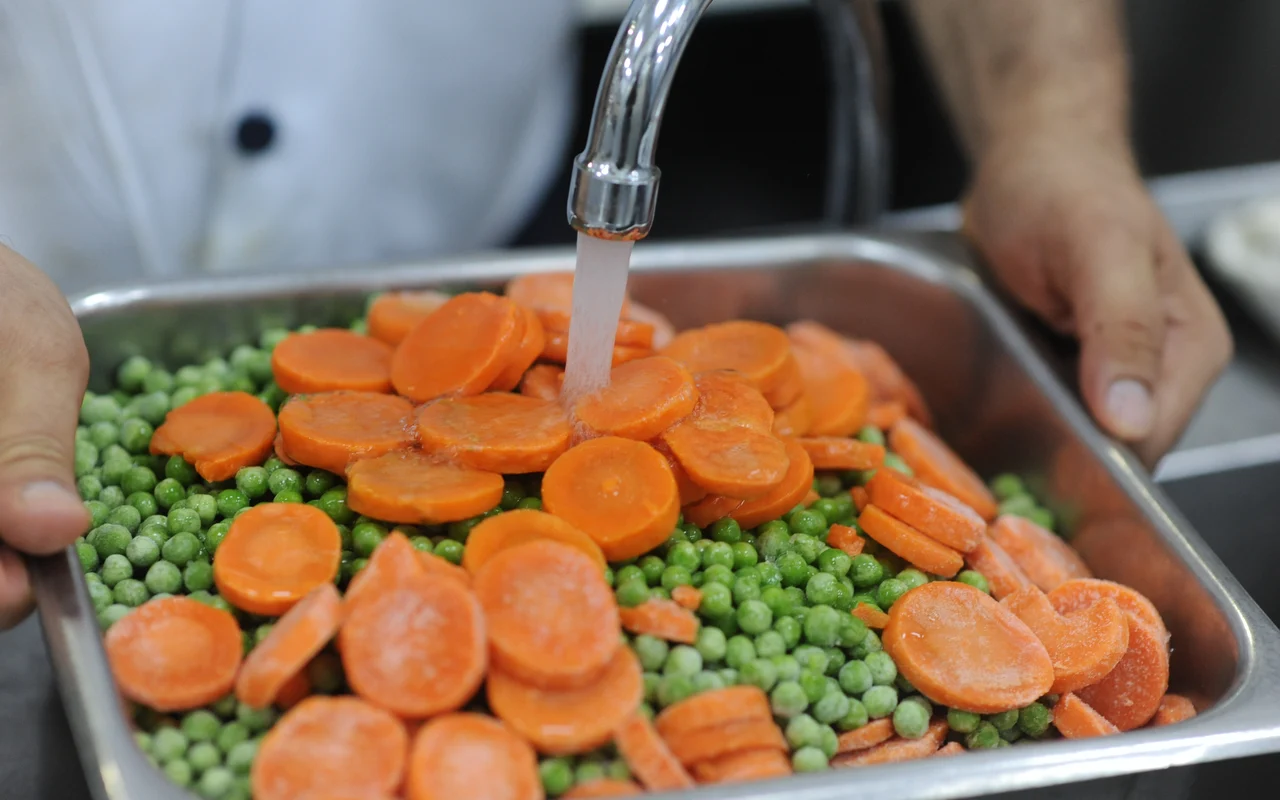
Choose for the meals you make
A bag of frozen vegetables or a can of fruit can give a meal a starting point when the refrigerator is nearly empty. Choosing produce does not have to mean choosing one format forever. Think about what you will cook, how much storage you have and which foods your household actually enjoys. The Academy of Nutrition and Dietetics includes fresh, frozen, canned and dried produce among nutritious options. Its practical advice focuses on what comes with the food: added salt, sweeteners and sauces can change the choice. Plain frozen vegetables and unsweetened fruit leave more room to decide how to prepare the meal yourself.
Compare the contents, then the portions
For canned fruit, look for options packed in water or juice rather than syrup. For vegetables, compare lower-sodium or no-salt-added versions. The Academy also notes that rinsing canned vegetables can reduce sodium. Treat that as a useful step, rather than assuming it removes all the salt. Use the Nutrition Facts panel to compare equivalent amounts. The FDA explains that the amounts listed usually apply to one serving, which may be smaller than the portion you plan to eat. Check the serving size before deciding that one package has less sodium or added sugar than another. Total sugars includes naturally occurring fruit sugars and any added sugars; the added-sugars line identifies the added portion.
Give each purchase a job
Choose one or two easy uses before buying a large package. Plain frozen vegetables could go beside dinner or into a cooked soup; canned fruit could accompany breakfast. These are meal ideas, not a prescription for a particular diet. A smaller package that gets used may fit your household better than a bulk purchase that occupies limited space. Keep preparation instructions with the food. Frozen vegetables are not automatically ready to eat: CDC-supported research notes that many are intended for consumption after cooking. Read and follow the package directions instead of assuming that thawing or blending is sufficient.
Build a flexible supply
Start with foods you already like, then review what gets used over the next week. Balance shelf space, freezer space, convenience and the portions you need. The aim is to make vegetables and fruit available when you cook, without turning freshness into an all-or-nothing test of a good meal.
Sources & references
- Academy of Nutrition and Dietetics: Fresh, Canned, Dried or Frozen
- FDA: How to Understand and Use the Nutrition Facts Label
- CDC-supported research: Preparation Methods for Prepackaged Frozen Vegetables
Continue exploring
Related topic · Find a provider · Explore destinations
Destination profile
Inside Hippocrates Wellness: A Plant-Based Retreat in West Palm Beach
A closer look at the Florida campus, its 21-day Life Transformation Program, and the practical details of planning a residential wellness stay.

Program explainer
Cancer, Lyme Disease and Whole-Person Support: Inside Hippocrates Wellness
A closer look at the Florida destination’s cancer wellness and Lyme programs, their focus on daily life, and the evidence questions that matter when planning a stay.
Program profile
When Lyme Symptoms Linger: Inside Hippocrates Wellness’s Whole-Person Program
For people exploring support alongside medical care, the Florida destination brings nutrition, education, rest and daily routines into one residential setting.