Practical guide
Give Leftovers a Safe Storage Plan
The next meal starts with what happens after this one: prompt chilling, clear dates and a refrigerator that stays cold enough.
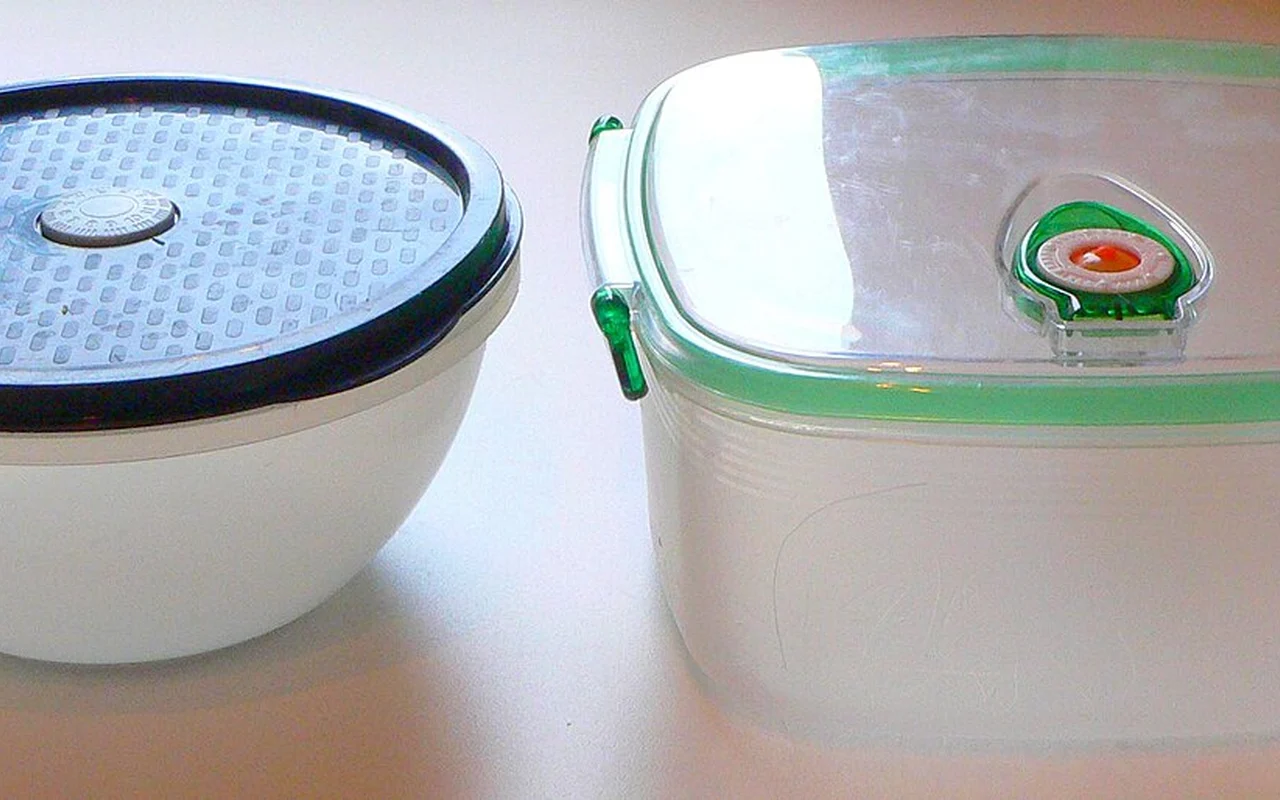
Plan the second meal while making the first
Cooking enough for another meal can simplify a busy week, but a container in the refrigerator needs a plan. Decide which portions you expect to eat soon and which belong in the freezer. Keep a marker and labels where you pack food so the date does not depend on memory. A useful label names the dish and the day it was prepared. This makes it easier for everyone sharing the kitchen to know what is available.
Watch the time outside the refrigerator
FDA guidance says foods requiring refrigeration should not remain at room temperature for more than two hours, or more than one hour when the air temperature exceeds 90 degrees Fahrenheit. That applies to takeout and restaurant leftovers as well as home cooking. Put perishable food away promptly after serving. Include the journey home when thinking about how long takeout has been unrefrigerated; arriving at the kitchen does not restart the clock. Discard food that has exceeded those limits.
Check the appliance, not just the dial
Keep the refrigerator at 40 degrees Fahrenheit or below and the freezer at 0 degrees or below. An appliance thermometer tells you the actual temperature; a numbered control dial may not. Leave room for cold air to circulate rather than packing shelves tightly. Store food in covered containers and clean spills promptly. Food can contain harmful bacteria even when its appearance and smell seem normal, so a sniff is not a reliable safety check.
Give refrigerated meals a deadline
The federal Cold Food Storage Chart lists three to four refrigerator days for soups and stews, cooked meat or poultry leftovers and pizza. Check its entry for the particular food instead of assuming every item follows the same timetable. Plan a meal within the recommended window or freeze suitable portions in time. A calendar reminder can be useful for a large batch divided among several containers. Keep the original preparation date visible when rearranging the refrigerator.
Make the routine easy to repeat
Set aside one visible area for food that needs using soon, while keeping raw foods safely separated from ready-to-eat meals. Before cooking another large batch, look at what is already stored and decide whether you have the space and time to use it. Freezer storage times in the federal chart generally describe quality when food remains continuously frozen at 0 degrees Fahrenheit or below. Freezing is useful planning, but it does not repair food that was handled unsafely before it went in.
Sources & references
Continue exploring
Related topic · Find a provider · Explore destinations
Destination profile
Inside Hippocrates Wellness: A Plant-Based Retreat in West Palm Beach
A closer look at the Florida campus, its 21-day Life Transformation Program, and the practical details of planning a residential wellness stay.

Program explainer
Cancer, Lyme Disease and Whole-Person Support: Inside Hippocrates Wellness
A closer look at the Florida destination’s cancer wellness and Lyme programs, their focus on daily life, and the evidence questions that matter when planning a stay.
Program profile
When Lyme Symptoms Linger: Inside Hippocrates Wellness’s Whole-Person Program
For people exploring support alongside medical care, the Florida destination brings nutrition, education, rest and daily routines into one residential setting.