Practical guide
Understand Added Sugars on Food Labels
A closer look at serving size, total sugars and percent Daily Value can make everyday comparisons clearer.
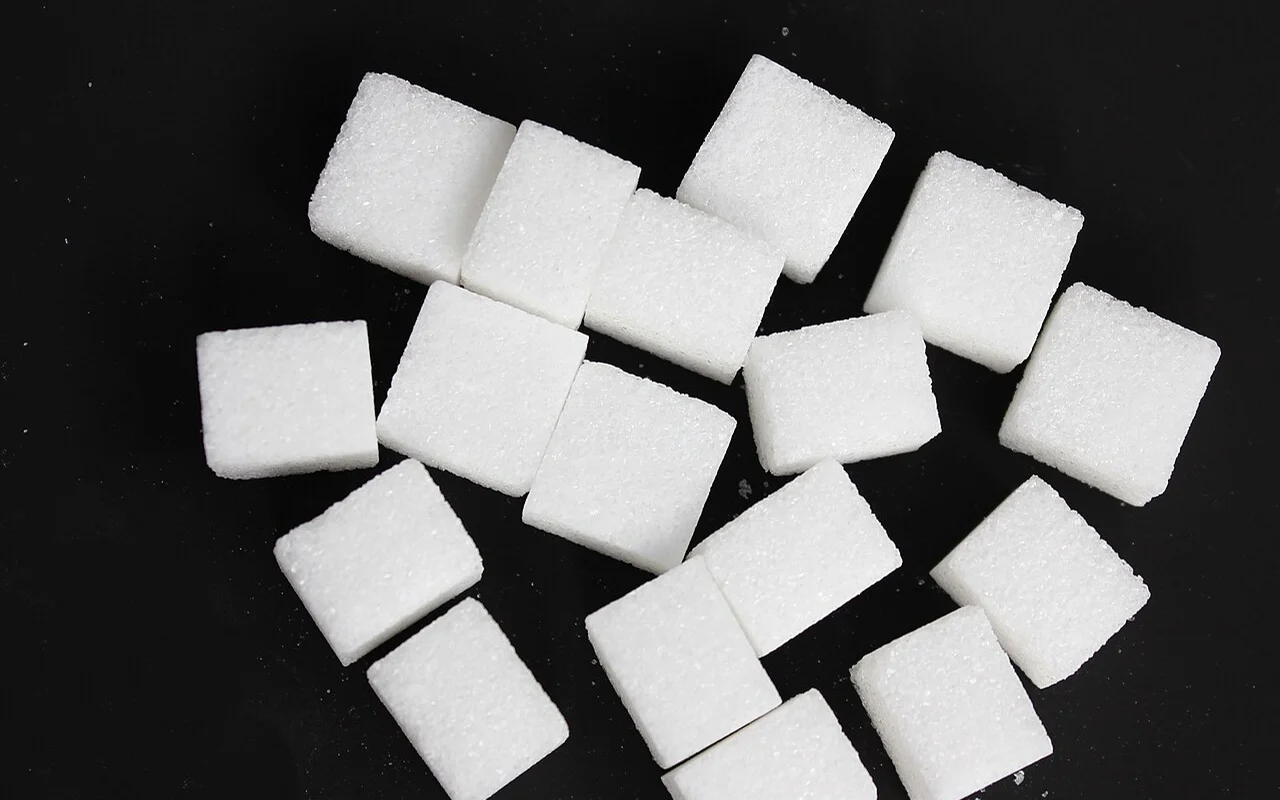
Find the two sugar lines
The Nutrition Facts panel separates total sugars from added sugars for a reason. Total sugars includes naturally occurring sugars and sugars added during processing. The added-sugars line identifies the latter portion. When a label says it includes a certain amount of added sugars, that amount is already part of the total; it should not be added a second time. Understanding that relationship is more useful than judging a food from one large number on the package.
Compare the same amount of food
Read the serving size and servings per container before comparing products. The FDA explains that a labeled serving reflects amounts people typically consume, rather than a recommendation for how much to eat. If you eat two servings, the listed amounts double. A small individual container and a larger tub can look very different on paper until you compare equivalent portions. Include what you actually add at home when thinking about a meal.
Use Daily Value as a reference
For adults and children age four and older, the FDA label Daily Value for added sugars is 50 grams, based on a 2,000-calorie reference diet. It is a labeling reference, not a requirement to eat that amount. Five percent Daily Value or less per serving is considered low, while 20 percent or more is high. These percentages can help compare similar foods quickly without turning a single purchase into a judgment about your entire diet.
Look past the sweetener name
Honey and syrups count as added sugars; a familiar or natural-sounding name does not remove them from that category. Naturally occurring sugars in fruit and milk are treated differently on the label. Read the actual panel rather than relying on front-of-package impressions. For foods packaged as a single sweetener, labeling can use a footnote to explain the contribution. A lower added-sugar number also does not describe every other nutritional feature of the product.
Choose one comparison you will use again
Try the comparison with something you buy regularly, such as breakfast cereal, yogurt or a drink. Check equivalent servings, then look at added sugars alongside fiber and the other nutrients relevant to your needs. Consider taste, cost and whether you will use the food. You could keep a photo of two labels to discuss with a dietitian if you need individual guidance. The goal is a repeatable shopping skill that fits everyday eating, not an elaborate scoring system.
Sources & references
- FDA: Added Sugars on the Nutrition Facts Label
- FDA: How to Understand and Use the Nutrition Facts Label
Continue exploring
Related topic · Find a provider · Explore destinations
Destination profile
Inside Hippocrates Wellness: A Plant-Based Retreat in West Palm Beach
A closer look at the Florida campus, its 21-day Life Transformation Program, and the practical details of planning a residential wellness stay.

Program explainer
Cancer, Lyme Disease and Whole-Person Support: Inside Hippocrates Wellness
A closer look at the Florida destination’s cancer wellness and Lyme programs, their focus on daily life, and the evidence questions that matter when planning a stay.
Program profile
When Lyme Symptoms Linger: Inside Hippocrates Wellness’s Whole-Person Program
For people exploring support alongside medical care, the Florida destination brings nutrition, education, rest and daily routines into one residential setting.