Research explainer
Blood Pressure Fell in the First DASH Trial Even With Salt Held Steady
Two controlled feeding studies separated the effect of an eating pattern from the effect of sodium. Their design explains what the blood-pressure numbers can tell us.
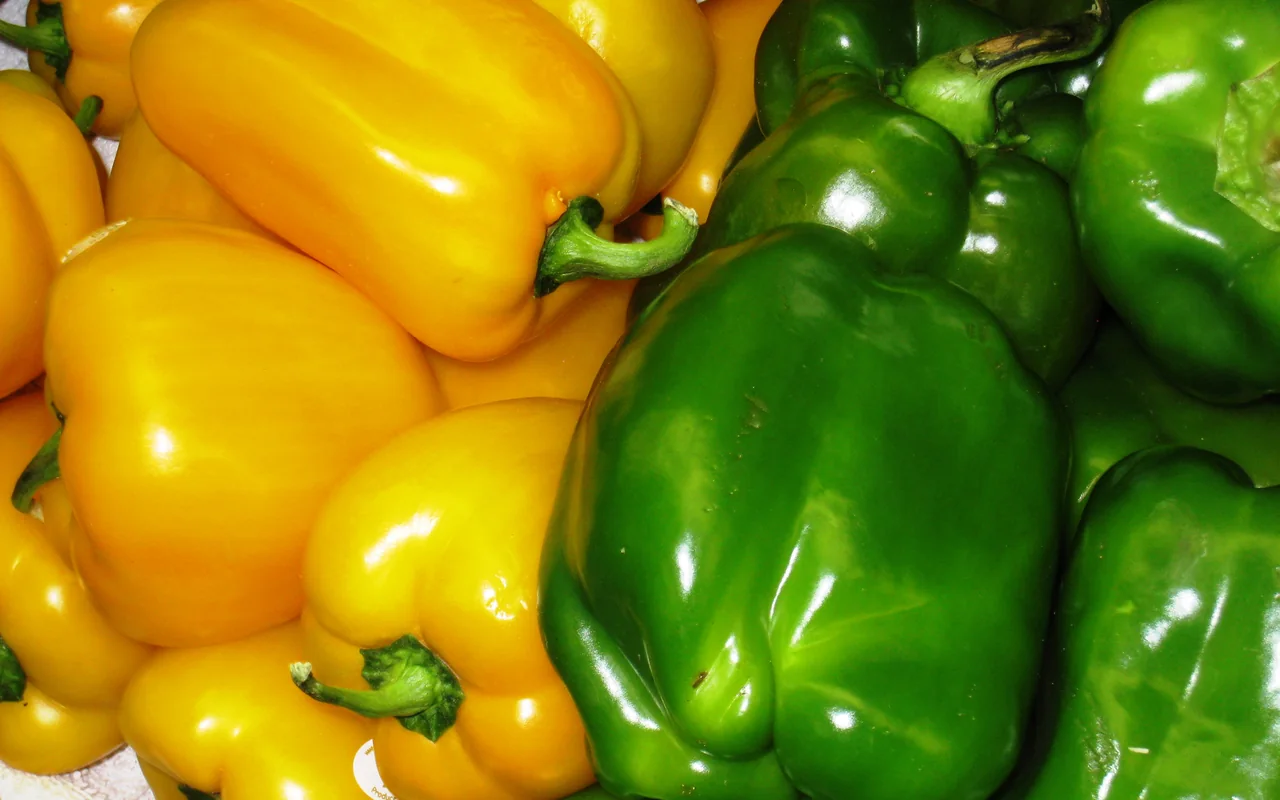
Why the researchers supplied the food
A person who changes what they eat may also take in less sodium or lose weight. If their blood pressure falls, which change deserves the credit? The first Dietary Approaches to Stop Hypertension trial, known as DASH, was designed around that problem. Its investigators supplied meals and held participants’ weight and sodium intake steady while changing which foods appeared on the menu. The study, reported in 1997, enrolled 459 adults. Everyone began with three weeks on a comparison menu relatively low in fruit, vegetables and dairy. Then chance determined which of three menus each person received for eight more weeks. One group continued the comparison meals. Another got more fruit and vegetables. The third ate more fruit, vegetables and low-fat dairy, with less saturated fat and less fat overall.
What the first comparison could isolate
Compared with the group that continued its starting menu, the group eating the combined pattern saw a larger average decline in blood pressure. The difference in the drop was 5.5 millimeters of mercury for systolic pressure, the upper number in a reading, and 3.0 for diastolic pressure, the lower number. The fruit-and-vegetable menu also lowered systolic pressure compared with the starting menu, by 2.8 points. That middle group makes the experiment more informative than a simple comparison of two diets. It suggests that increasing produce accounted for some of the difference. Because several foods and nutrients changed together in the combined menu, the researchers could not give low-fat dairy, any single vegetable or any individual nutrient sole credit for its result.
The second experiment put sodium back into the question
A follow-up trial assigned 412 adults to either the DASH pattern or a comparison diet. Within each group, people tried three sodium levels in random order for about a month apiece. This let the researchers compare a person’s pressure at different sodium levels while keeping their assigned eating pattern the same. Lower sodium reduced blood pressure on both menus. The lowest average pressures came with the lower-sodium DASH meals. Neither experiment asked families to buy, prepare and sustain these menus for years. Researchers measured blood pressure over weeks and supplied the food, removing choices about cost, kitchen time and availability from the test. For a household weighing a change, the studies answer a narrower and more useful question. Both the mix of foods across meals and their sodium content can influence blood pressure, even when body weight stays fairly steady.
Sources & references
- Appel and colleagues, randomized DASH feeding trial (1997)
- National Heart, Lung, and Blood Institute, DASH-Sodium study design and results
- National Heart, Lung, and Blood Institute, overview of the DASH trials
Continue exploring
Related topic · Find a provider · Explore destinations
Destination profile
Inside Hippocrates Wellness: A Plant-Based Retreat in West Palm Beach
A closer look at the Florida campus, its 21-day Life Transformation Program, and the practical details of planning a residential wellness stay.

Program explainer
Cancer, Lyme Disease and Whole-Person Support: Inside Hippocrates Wellness
A closer look at the Florida destination’s cancer wellness and Lyme programs, their focus on daily life, and the evidence questions that matter when planning a stay.
Program profile
When Lyme Symptoms Linger: Inside Hippocrates Wellness’s Whole-Person Program
For people exploring support alongside medical care, the Florida destination brings nutrition, education, rest and daily routines into one residential setting.